Wisconsin Apple Varieties: Which One to Eat, Which One to Bake, and Which One to Never Put in a Pie
Somebody asks us every single fall: "Which apple is the best one?"
That's like asking which shoe is the best shoe. Best for what? Because the apple that makes you close your eyes when you bite into it is usually a terrible apple for pie, and the apple that makes the best applesauce would be a sad thing to pack in a lunchbox.
So here's the honest breakdown, Wisconsin-style, without the food-blogger fluff.
First: the calendar matters more than the label
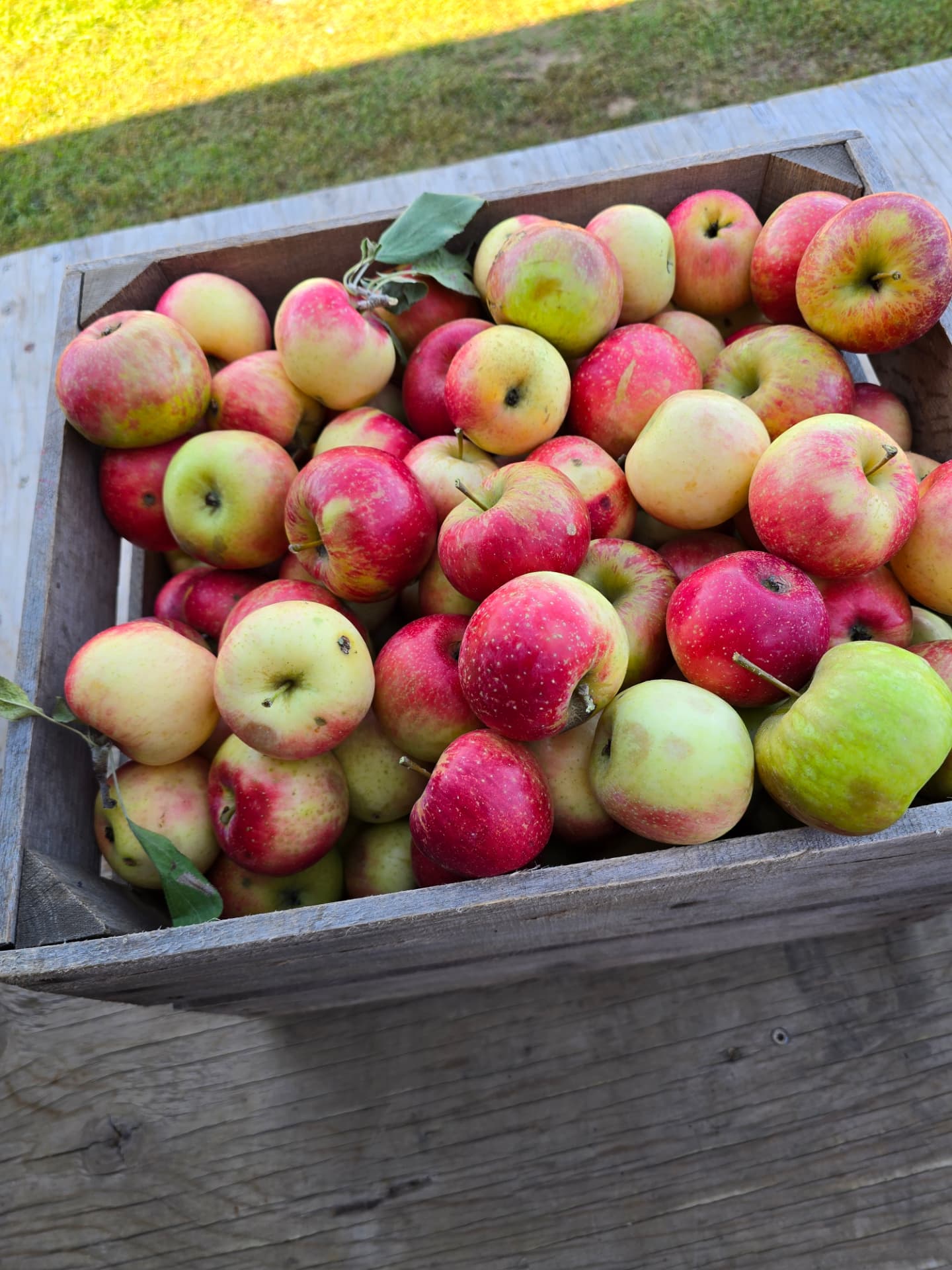
Apples don't all show up at once. In this part of the state, the season runs from about mid-August into late October, and it moves in waves.
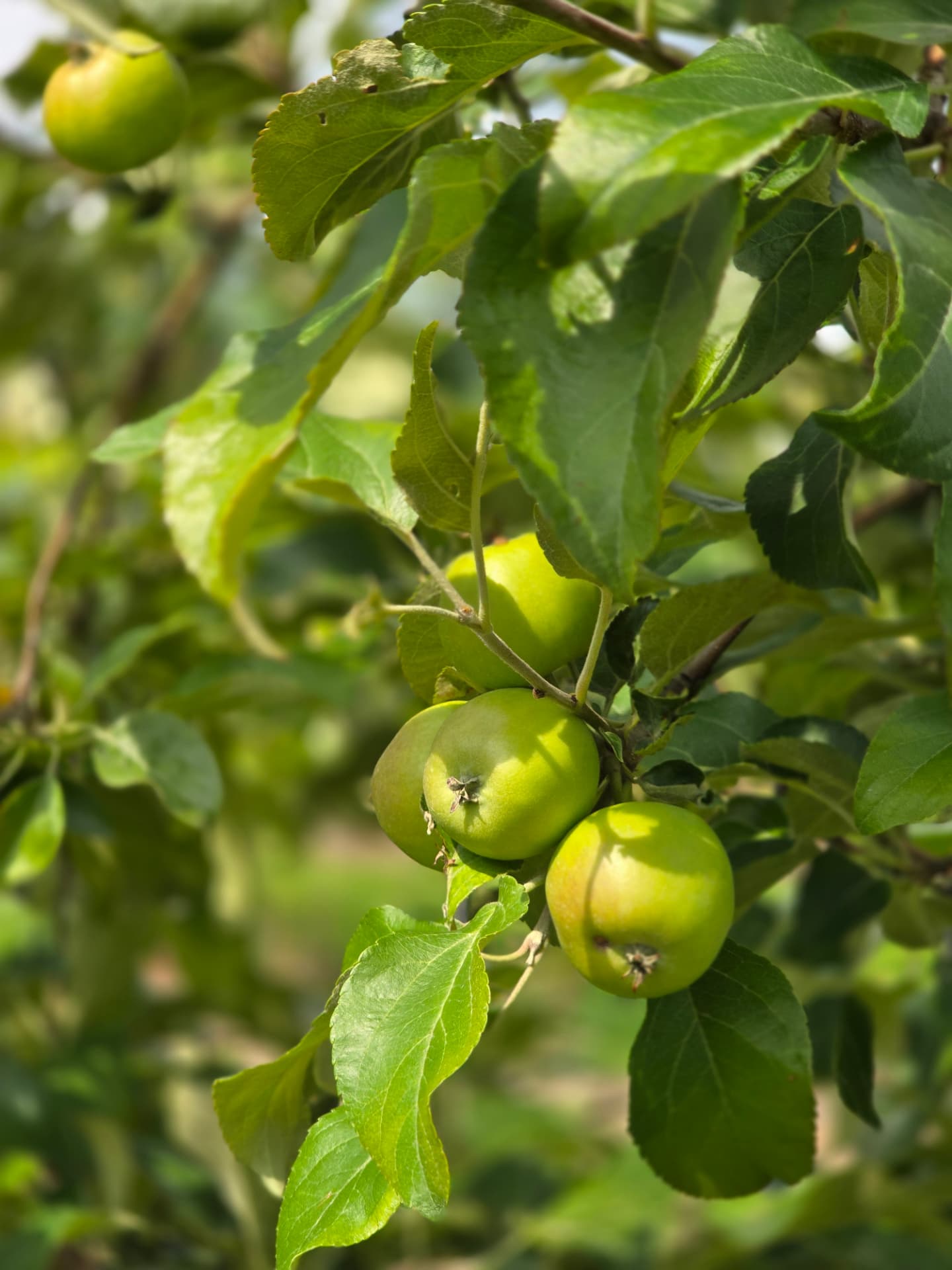
Mid-August into early September brings the early apples — Paula Red, Zestar, State Fair, the summer Macs. These are soft-fleshed and beautifully tart, and they do not store. You eat them or you cook them within a week or two. Don't buy a bushel of early apples in August expecting them to make it to Thanksgiving. They won't.
Mid-September into mid-October is the main event. McIntosh, Cortland, Honeycrisp, Jonathan, Jonagold, Sweet 16. This is when most people think "apple season," and they're right.
October brings the keepers — Haralson, Fireside, Regent, Golden Delicious, Northern Spy, Fuji. These are the apples that will still be good in your crisper drawer in January if you treat them right.
That's the piece most people miss. If you want apples to last, you want late apples.
The eating apples
These are the ones you hand to a kid in the car on the way home.
- Honeycrisp — Yes, it deserves the hype. That specific explosive crunch comes from unusually large cells that rupture when you bite, which is also why it doesn't cook well. Heat turns that texture to mush. Eat it fresh. Do not put it in a pie and then tell people you followed our advice.
- SweeTango — A Honeycrisp child. Crunchy, a little spicier, ripens earlier. If you find them, get them.
- Gala — Sweet, mild, kid-friendly, no tartness to complain about. The peacekeeper apple.
- Sweet 16 — A Minnesota variety with a genuinely strange and wonderful flavor that people describe as cherry, vanilla, or bourbon depending on who you ask. Worth trying once so you can have an opinion about it.
The baking apples
What you want in a pie is an apple that holds its shape and brings enough acid to keep the sugar from being flat.
- Cortland — Our vote for the all-around workhorse. Holds up in a pie, browns very slowly when sliced (which makes it the best apple on a cheese board or in a salad), and it's tart enough to matter.
- Haralson — A Minnesota classic and a genuinely great pie apple. Firm, tart, almost aggressive. If your pies always come out too sweet, this is your fix.
- Northern Spy — The old-timers' pie apple. Takes forever to ripen, worth the wait.
- Granny Smith — Yes, it's the grocery-store answer, and yes, it works. Very firm, very tart. Most pie recipes assume it. Mixing Granny Smith with something sweeter is better than using it alone.
- Rome — Firm enough to bake whole. If you've ever wanted to do a stuffed baked apple, this is the one.
The applesauce apples
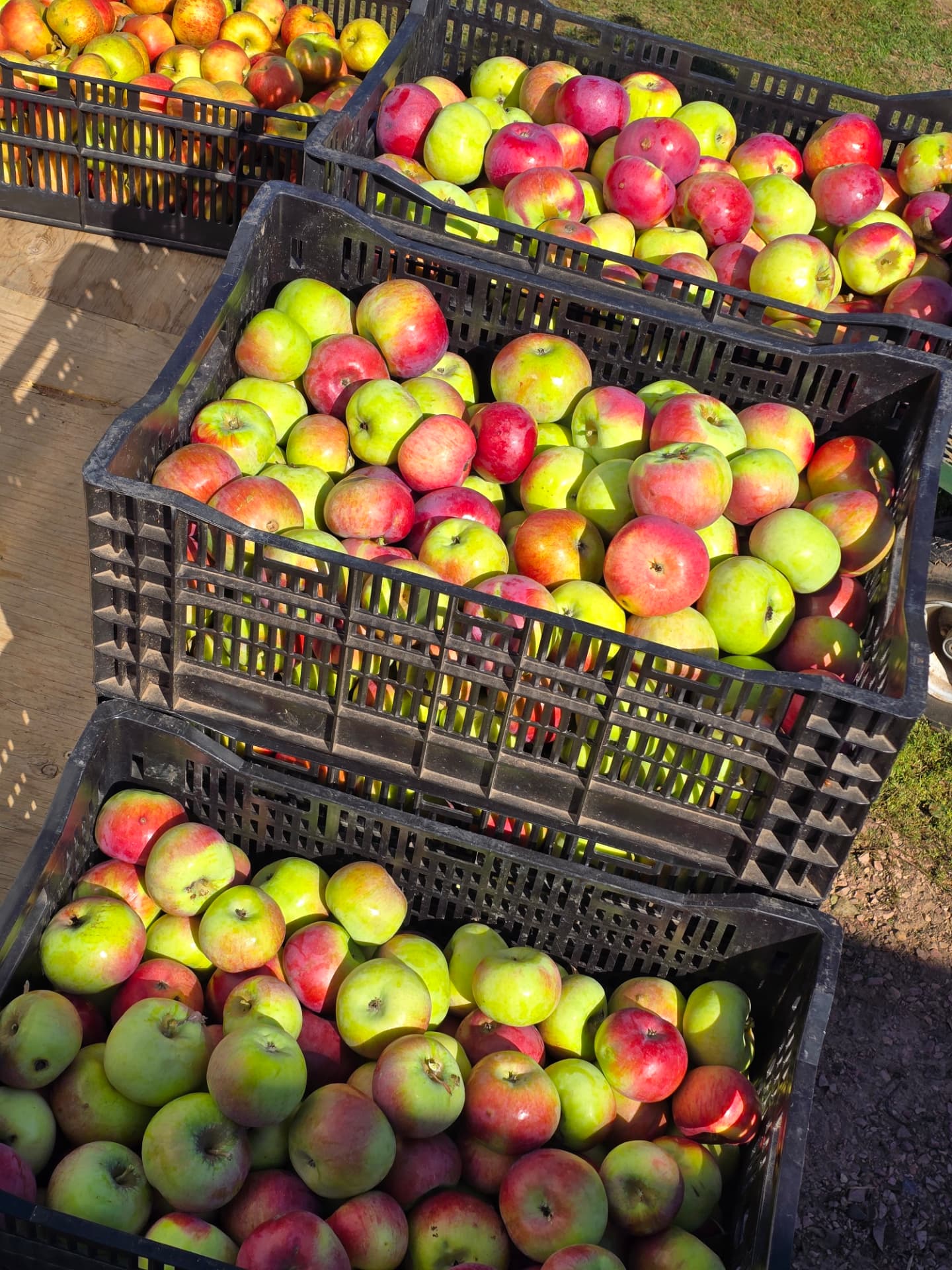
Here's the fun part: for applesauce you want the opposite of a pie apple. You want it to fall apart.
McIntosh is the champion. It breaks down into sauce almost on its own with barely any help. Paula Red does the same thing. Wealthy, if you can find it, is an antique variety that makes outstanding sauce.
The pro move is to cook Macs down for the body and throw in a couple of Cortlands or Haralsons for the acid. You'll get sauce that actually tastes like something instead of sweet beige.
How to store them so they last
Three rules, and they're all about slowing the apple down.
- Cold. Apples want 32 to 35 degrees — colder than most refrigerators are set. The crisper drawer is your best bet in a house. An unheated garage or a root cellar works beautifully in October and November until it starts dropping below freezing.
- Humid. A perforated plastic bag in the crisper keeps moisture in without trapping it. A wide-open bowl on the counter is how apples go mealy.
- Apart from everything else. Apples give off ethylene gas, which is basically a "ripen now" signal. That's why apples next to potatoes will sprout the potatoes, and why an apple in a bag with green bananas ripens them overnight. Keep apples away from your other produce unless you're using that on purpose.
And check them. One rotting apple genuinely will take down the whole bag — that saying exists because it's true.
Come grab your bags
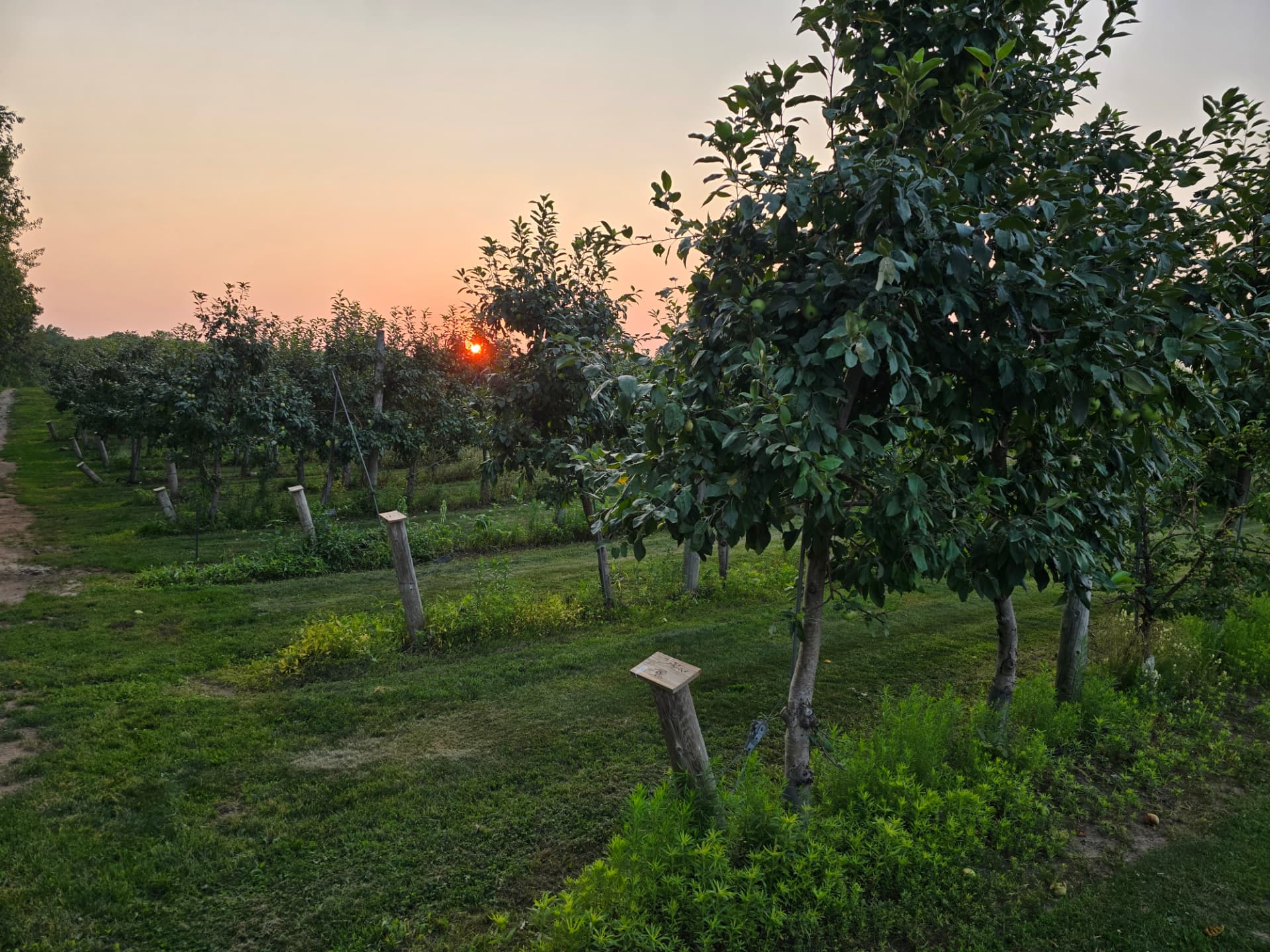
We've got apples by the bag at the farm — half peck (about 5 pounds) for $5, full peck for $10, and a half bushel for $18. Our crew does the picking, so everything's fresh — just ask what we've got that day. The varieties shift as the season moves (we carry Zestar, Honeycrisp, Cortland, McIntosh, Gala, Ruby Mac, Dandeered, Kindercrisp, Honeygold, Suncrisp, Northern Spy, Autumn Crisp, Arkansas Black, Spigold, and Frostbite).
We're open daily 10am to 6pm through October 31. And if you'd rather have somebody else do the baking, the apple crisp and the apple pies are here — including frozen ones you can take home and bake when you want to smell like a person who has her life together. Plan your visit →
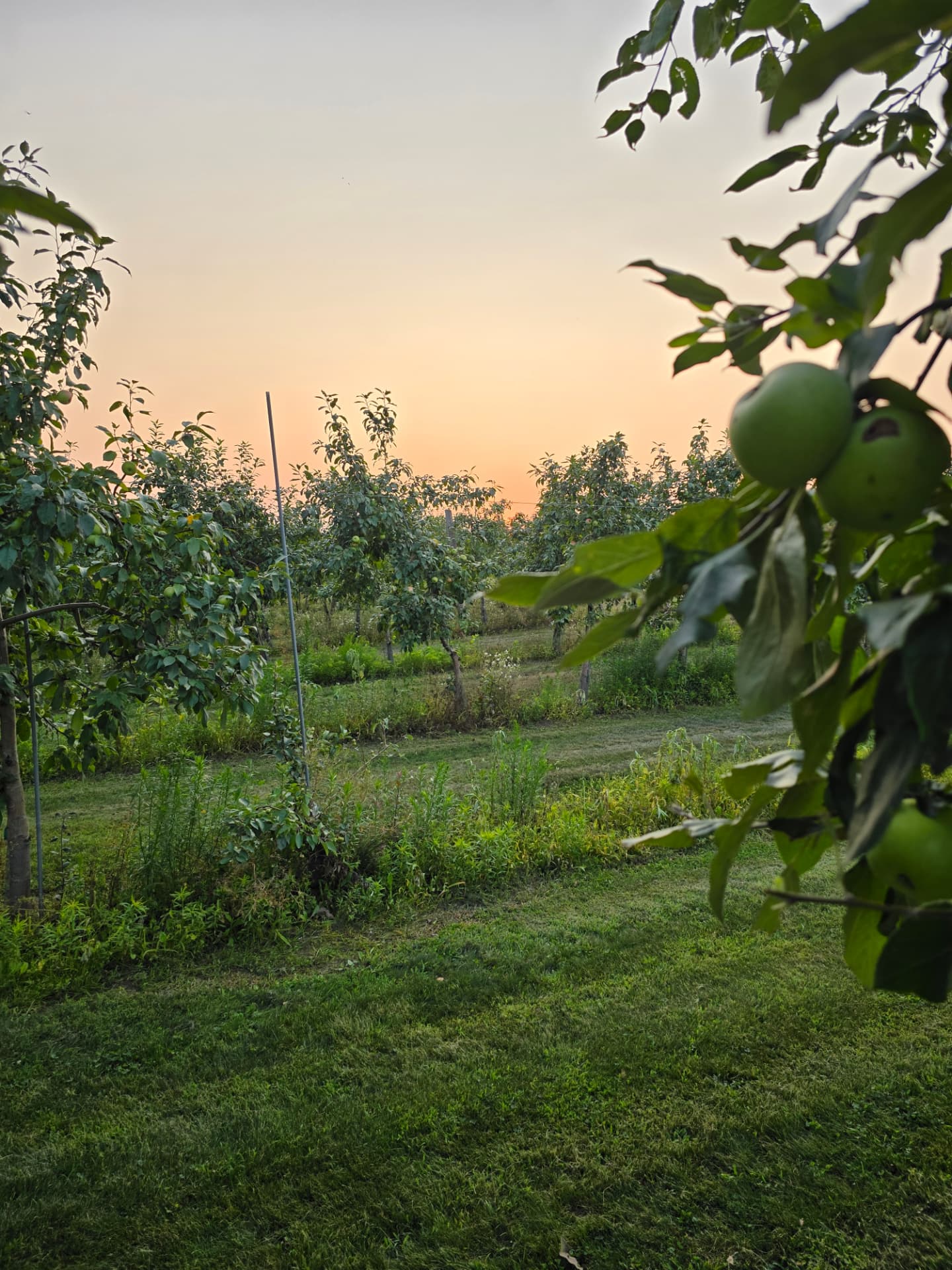
Our Picks
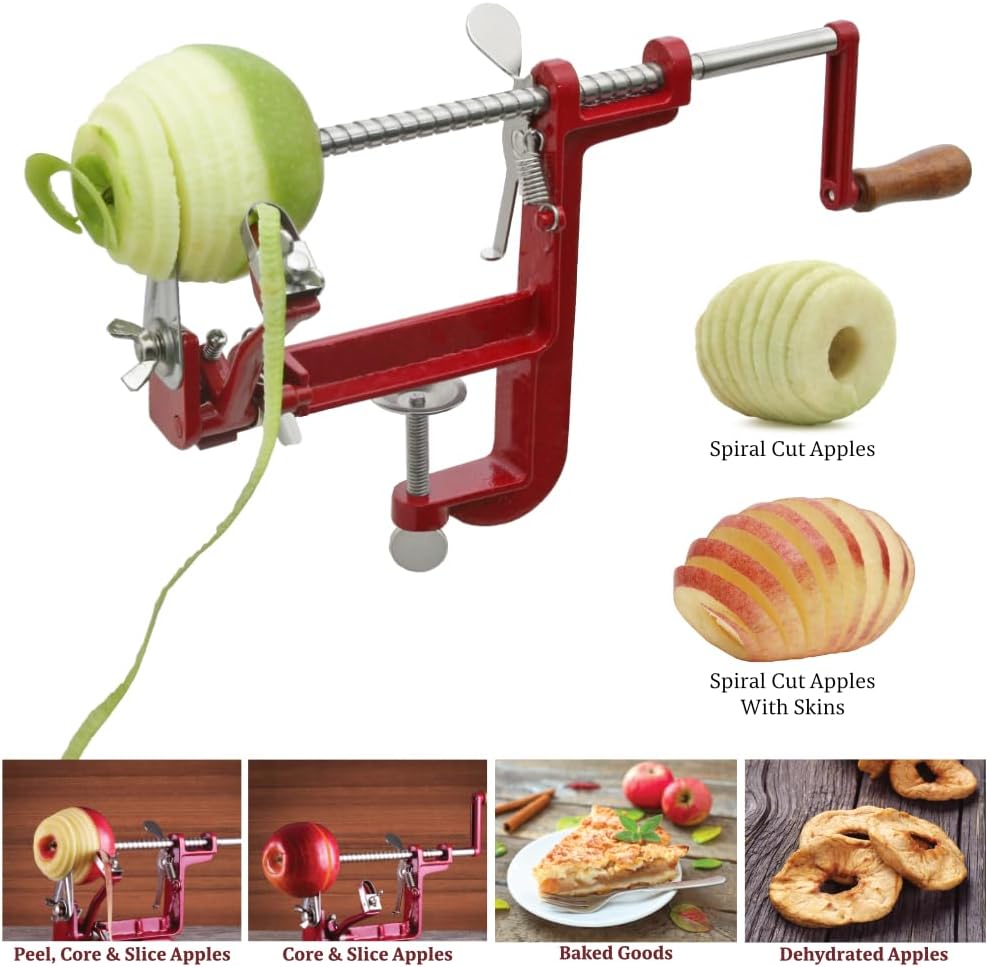
Apple Peeler, Corer & Slicer
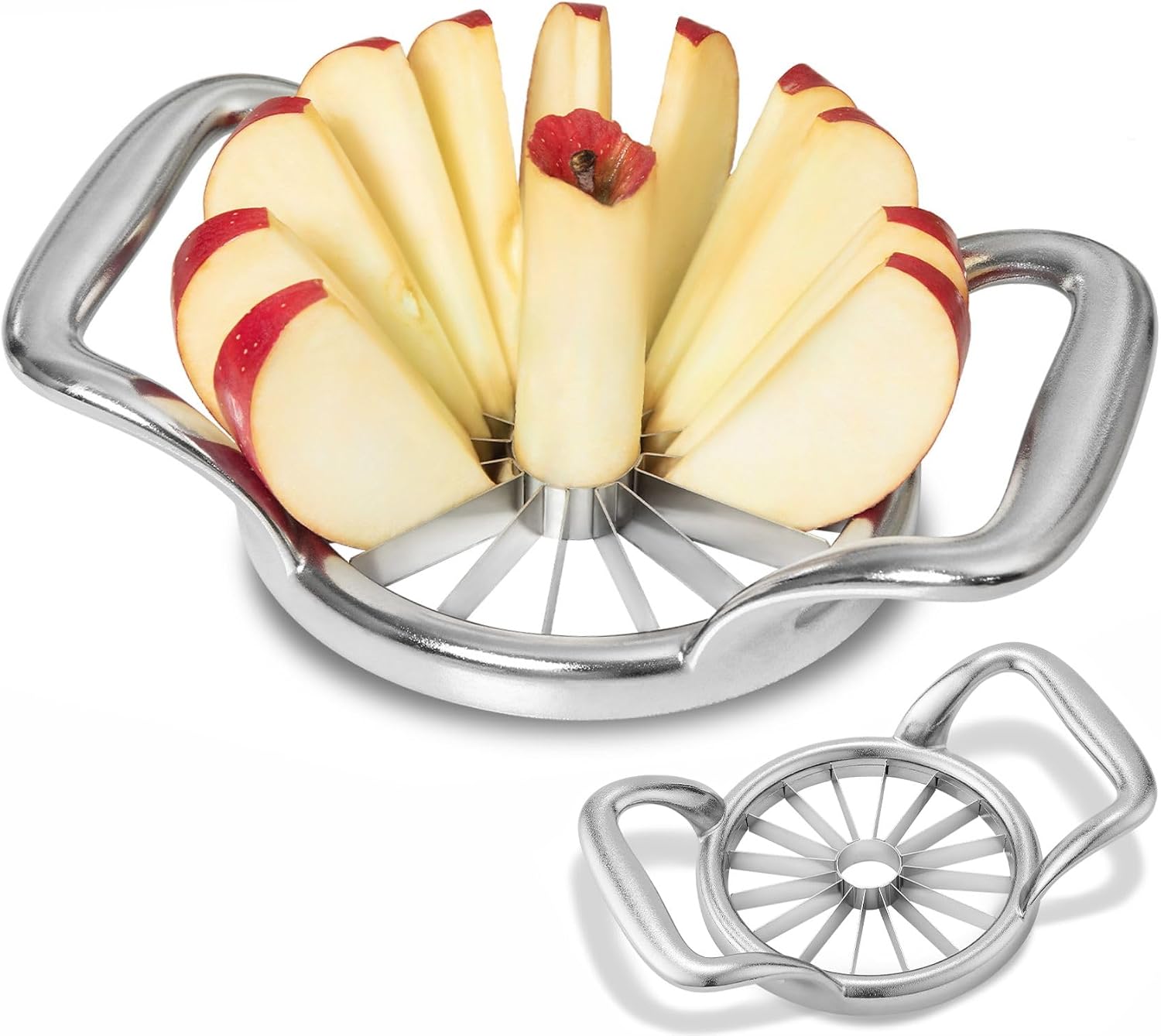
Apple Corer & Wedger
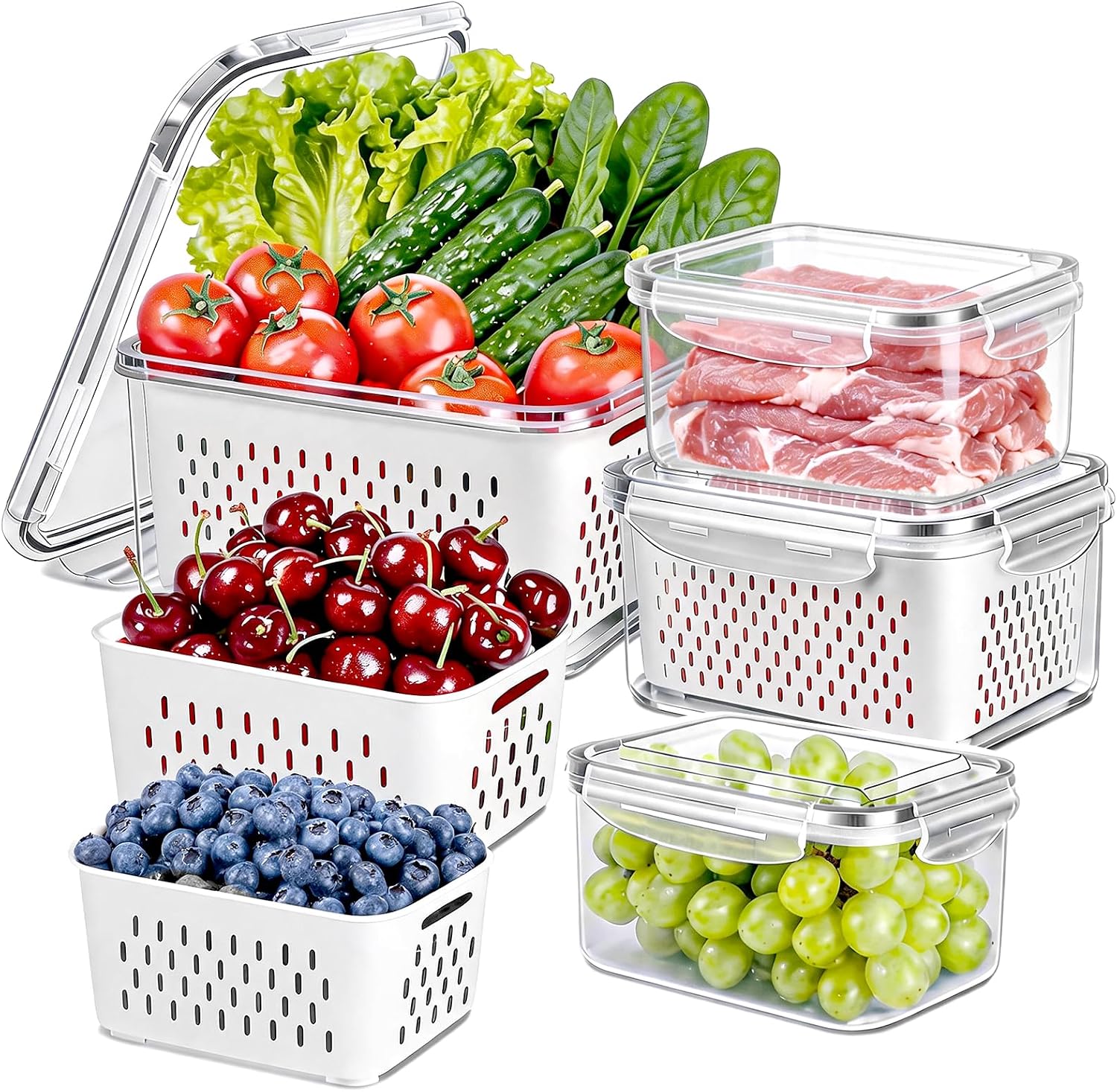
Vented Produce Storage Bins
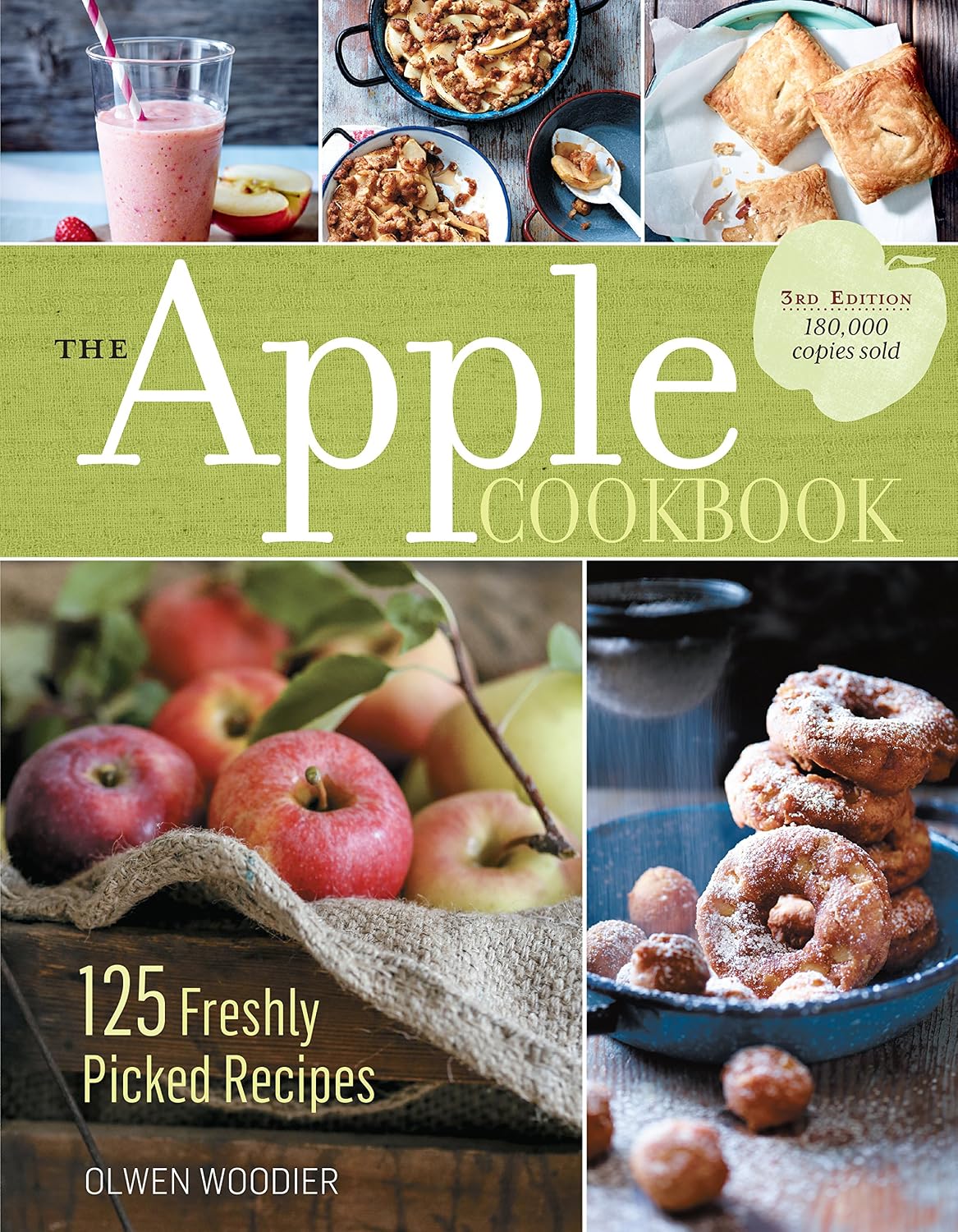
A Midwest Apple Cookbook
Disclosure: As an Amazon Associate we earn from qualifying purchases — at no extra cost to you.