Build Your Thanksgiving Table Out of the Farm Stand
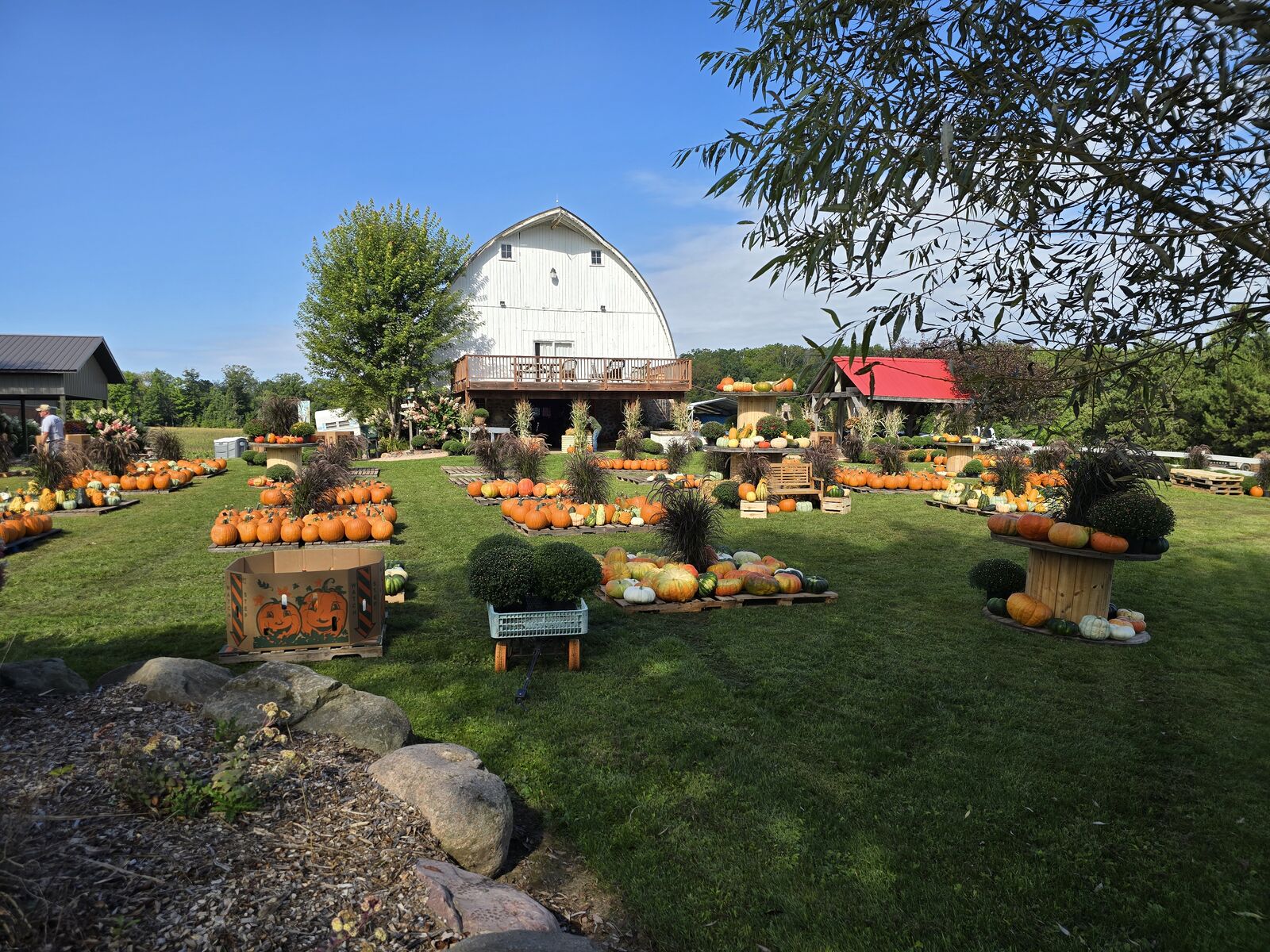
Thanksgiving is five weeks out, which means the grocery store version of you is still calm. The farm stand version of you can do something smarter: buy the vegetables now, while they’re at their best, and let the calendar do the work.
Almost everything on a Thanksgiving table is a fall-storage crop. That’s not a coincidence — the whole meal exists because this is what keeps.
Buy the roots after a frost, on purpose
Carrots and parsnips get measurably sweeter after two to four weeks near freezing. The cold tells the plant to convert starch to sugar as antifreeze, and you get to eat the result.
So the carrots at the stand in late October are not the same carrots you bought in August. They’re better. Buy a bag now, keep them cold in the fridge in a bag with the tops off, and they’ll hold until the holiday without doing anything interesting.
Parsnips are the same story, only more so. If you’ve never roasted a parsnip, Thanksgiving is the year to start.
The squash you buy this weekend is your Thanksgiving squash
Winter squash is the original make-ahead dish. Stored cool and dry — 50 to 55°F, out of plastic, not in the fridge — it keeps for months:
- Acorn — five to six weeks. Cook this one first.
- Butternut and pie pumpkins — two to three months.
- Buttercup and turban — about three months.
- Hubbard — up to six months.
If your squash came straight off the field, give it a week to ten days somewhere warm — around 80°F — to cure first. That hardens the skin and heals any nicks, and it’s the difference between a squash that keeps until February and one that doesn’t.
A butternut bought this weekend, cured on the counter, and moved to a cool closet is in its prime exactly when you need it.
Five dishes the farm stand can carry
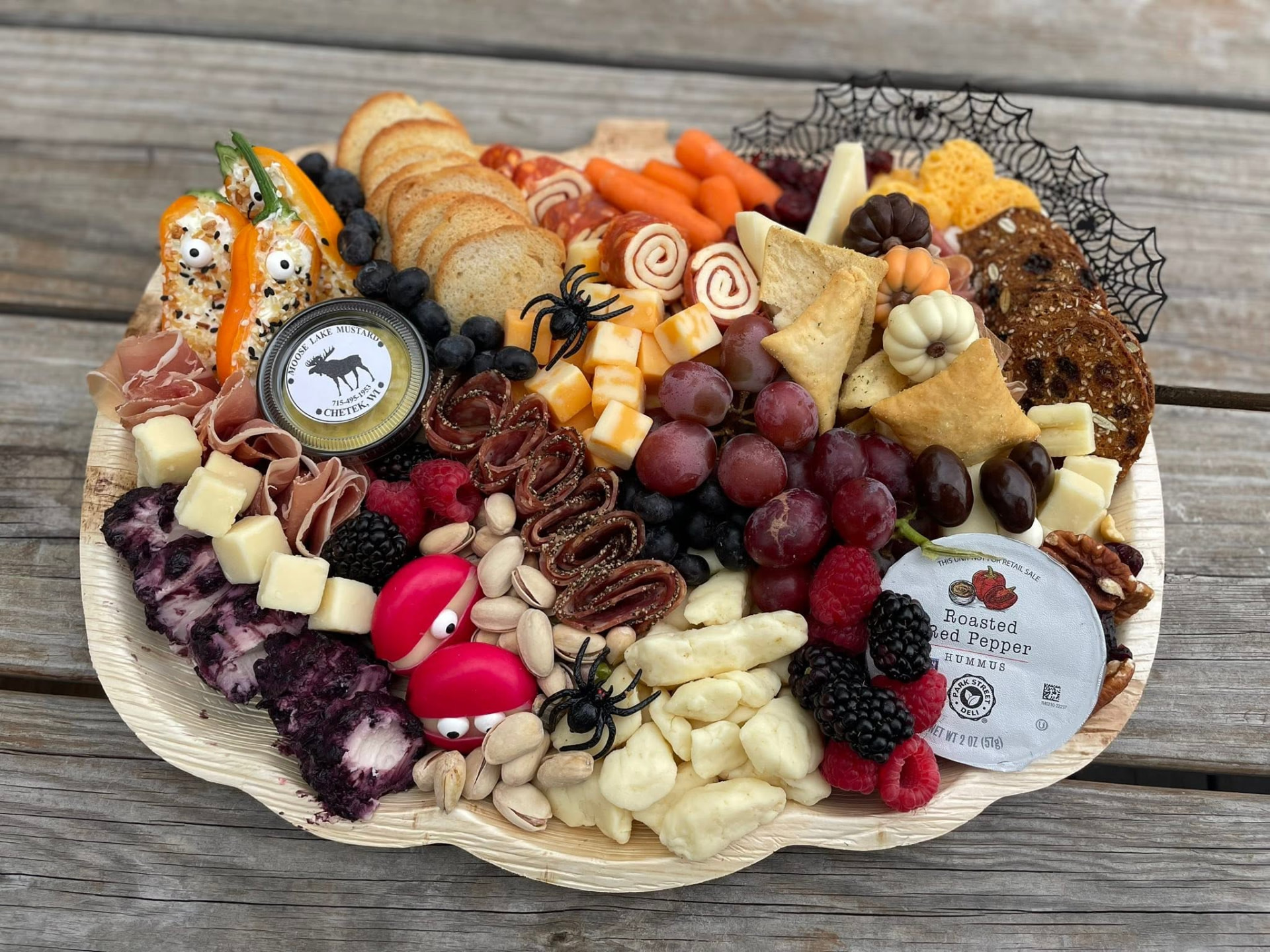
- Roasted squash with brown butter and sage. Cube it, roast it hot until the edges go dark, toss with butter you’ve let go nutty and a handful of sage. This is the dish people ask about.
- Roasted parsnips and carrots, no sugar added. They bring their own at this time of year. Oil, salt, high heat, done.
- Braised cabbage or brussels sprouts. Both are better after cold nights, same as the roots.
- Mashed potatoes with roasted garlic. Roast the garlic alongside the squash while the oven’s on anyway.
- Pumpkin pie from an actual pie pumpkin. Not a jack-o-lantern — those are grown for walls, not filling. The small dense ones at the stand are the eating kind.
Don’t skip dessert’s easier cousin
Roasted apple wedges with maple syrup and cinnamon: cut firm apples into wedges, roast at 400 until the edges caramelize, drizzle with maple syrup in the last five minutes. It tastes like pie filling with the good parts of the crust’s job done by the pan.
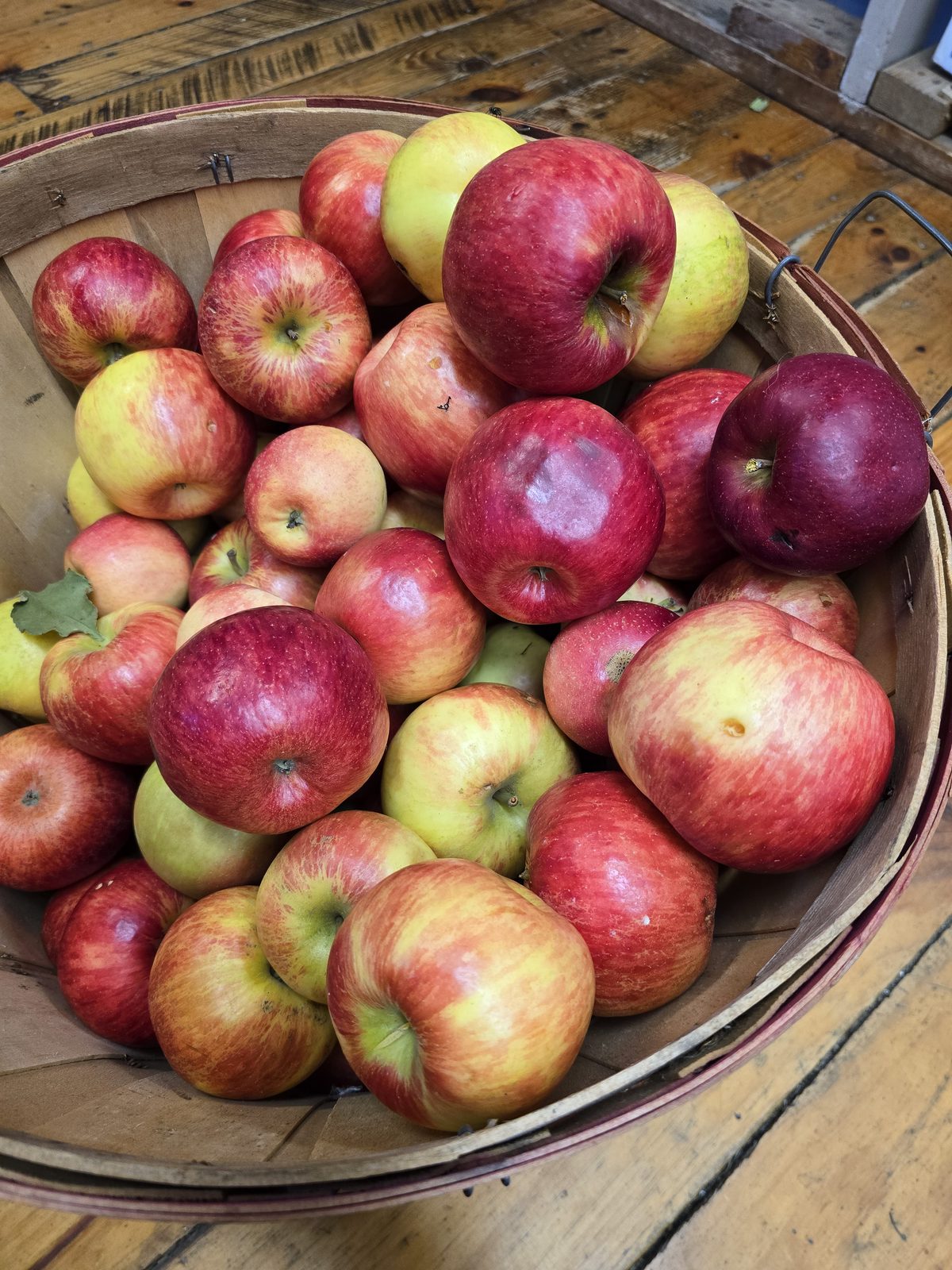
Buy the late-keeping varieties for this — they hold their shape in the oven and they’ll sit happily in the fridge until the day.
The Tuesday-ahead plan
Here’s the part that changes your Thursday. The Tuesday before Thanksgiving, roast the squash, the garlic, and the parsnips. Cool them, lid them, refrigerate them.
On Thursday, you’re reheating three dishes and making two. The oven is free for the bird, the kitchen smells right all day, and you get to actually sit down.
The farm stand isn’t just where the food comes from. Used right, it’s the whole meal plan.
Our Picks
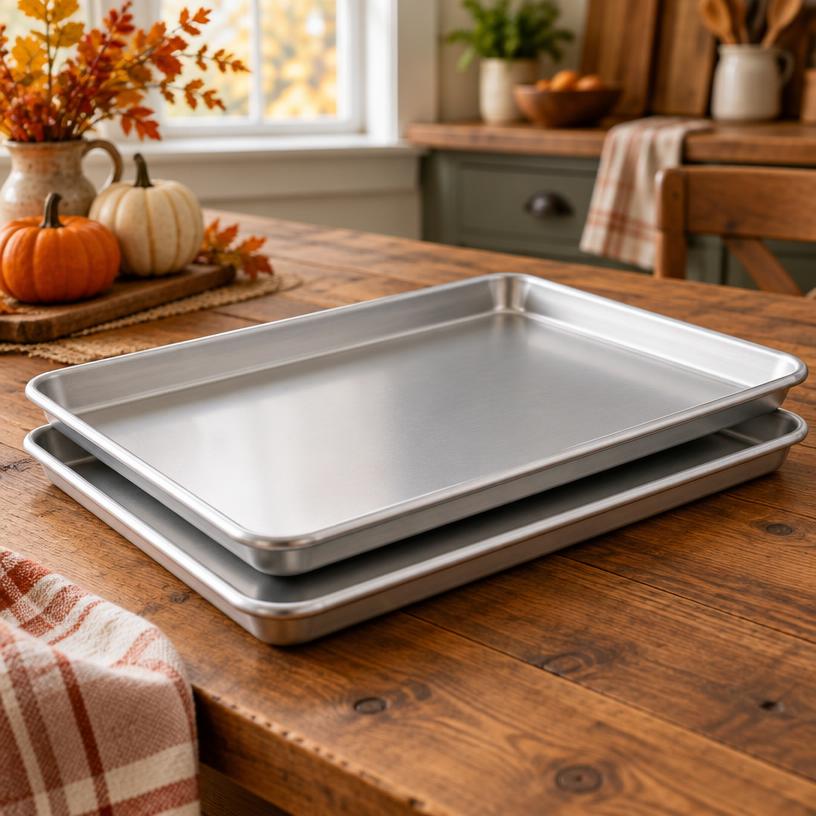
Two Half-Sheet Pans
Every make-ahead dish in this post is a sheet pan dish. Two pans means squash and roots roast at the same time.
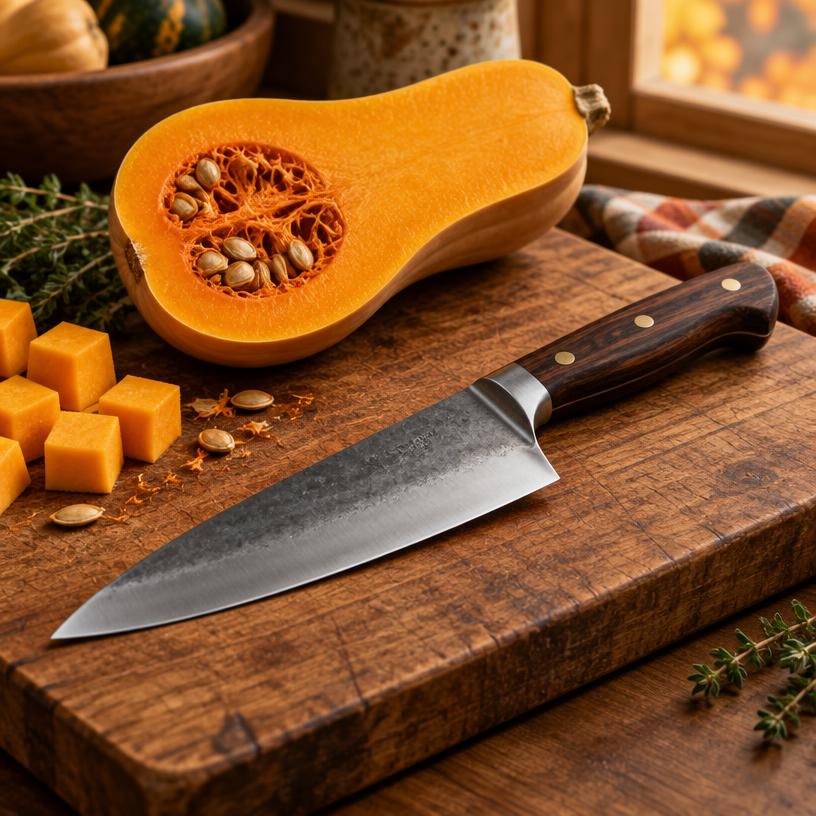
Heavy Chef’s Knife
A butternut will tell you immediately whether your knife is up to it. Weight does the work, not force.
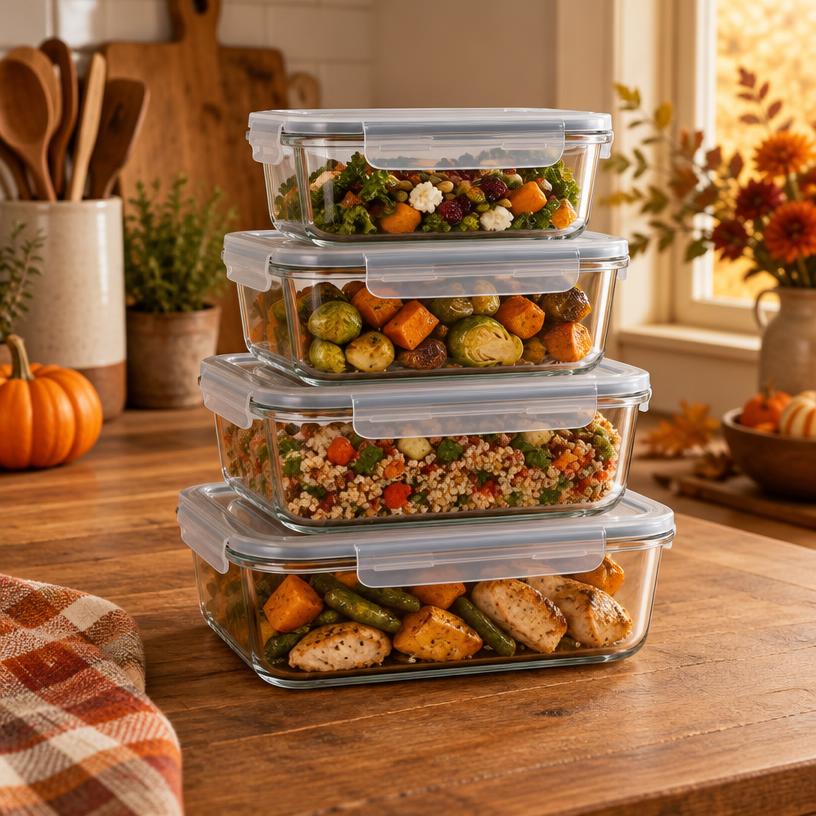
Glass Storage Containers with Lids
The whole Tuesday-ahead plan lives in these. Roast, cool, lid, fridge — then reheat Thursday.
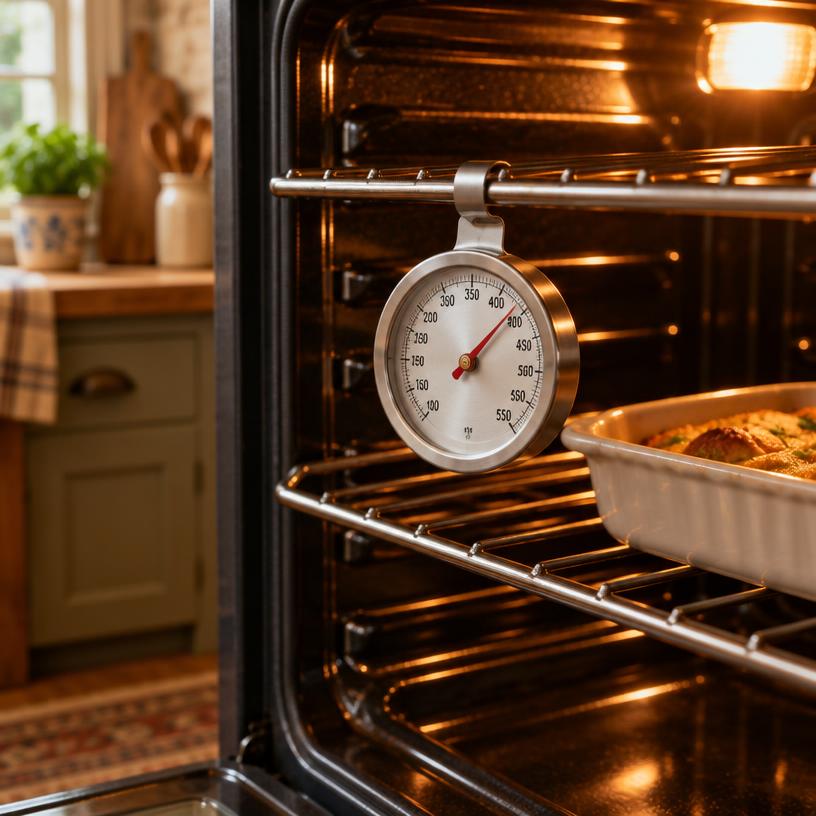
Oven Thermometer
Most ovens lie by 25 degrees. On a day with five dishes and one oven, that matters.
Disclosure: As an Amazon Associate, we earn from qualifying purchases — at no extra cost to you.