Your Pumpkins Are Rotting for One of Two Reasons
Every October somebody walks up to the gift shop counter holding a phone with a picture of a pumpkin that has folded in on itself like a sad deflated basketball. They bought it three weeks ago. It looked perfect. They want to know what they did wrong.
Almost always, it's one of two things. Sometimes both, teaming up.
A pumpkin is about 90 percent water wrapped in a hard shell. As long as that shell stays dry and unbroken, it can sit around for months — a properly cured, properly stored pumpkin will last two to three months. The minute either of those things fails, the clock starts.
So here are the two reasons, how to tell which one is getting yours, and how to stop it.
Reason #1: Moisture
Mold and bacteria need water to get a foothold. Give them a damp surface and a few warm days and they'll move right in.
Rot almost always starts on the bottom. That's the part nobody checks. A pumpkin sitting on concrete, a wood porch, or mulch traps moisture right underneath it — dew, rain, condensation from the pumpkin itself. The top looks great. The bottom is going soft. You find out when you pick it up and your fingers go through.
Here's what to do:
Get it off the ground. A brick, a scrap of board, a metal tray, an upside-down saucer, a plant caddy. Anything that lets air move underneath. This one habit does more than everything else on this list combined.
Lift and check the bottom once a week. Takes ten seconds per pumpkin. A small soft spot caught early means you move that pumpkin away from the others. A soft spot caught late means a puddle and a stain on your steps.
Don't cluster them in a wet pile. Pumpkins touching each other trap moisture between them, and one rotting pumpkin will take its neighbors down with it. Give them a little room to breathe.
Watch the heat, too. Pumpkins store best at 50 to 55 degrees. A south-facing concrete porch on a warm late-September afternoon can bake a pumpkin, and warm plus damp is exactly how rot speeds up. If your porch gets full afternoon sun, a little shade buys you weeks.
Reason #2: A Wound
That hard rind is armor. Any break in it — a cut, a crack, a bruise, a snapped stem — is an open door.
The stem is a seal. When we harvest, we cut pumpkins with a three- to four-inch handle left on for exactly this reason. A pumpkin without its stem has an open wound on top, and rot moves in from there. If you're choosing between two pumpkins and one has lost its stem, pick the other one.
Never carry a pumpkin by the stem. It looks like a handle. It is not a handle. It can't hold the weight of the fruit, and when it snaps it tears the skin right along with it. Two hands underneath, every time, including in and out of the car.
Bruises count as wounds. Dropping a pumpkin, rolling it around in the trunk on a bumpy gravel road, or stacking a heavy one on top of a small one all cause damage under the skin that you can't see. It shows up a week later as a soft, dark patch.
Carving is a wound on purpose. A carved pumpkin usually lasts five to ten days, less if it's warm. That's why the best move is to keep pumpkins whole all month and carve the weekend before Halloween.
The Wipe-Down That Buys You Weeks
When you get your pumpkins home, give them a quick clean before they go out on display. Iowa State Extension recommends either soapy water or a 10 percent bleach solution — that's 1 part bleach to 9 parts water.
Wipe the whole pumpkin, including the bottom and around the stem, then let it dry completely before you set it out. You're removing the field dirt and the mold spores that came home with it, so the rot has less to start with.
Dry is the important part. A pumpkin that goes out still damp is back to Reason #1.
The Freeze Trap
A light frost is fine. It'll kill the vines in the field, but it won't hurt the pumpkin itself.
A hard freeze is different. When a pumpkin freezes, ice crystals form in the flesh and break down its structure. The sneaky part: the next morning, it looks completely fine. A few days later, it goes soft and collapses, and you'll never connect it to that one cold night.
If the forecast drops into the upper 20s, bring your pumpkins into the garage overnight or throw a blanket or burlap over them. Then pull the cover off in the morning so moisture doesn't get trapped underneath.
How to Pick a Pumpkin That Will Last
The best pumpkin care starts before it ever leaves the farm. Here's what we look for:
A firm stem that's still attached. Green or brown is fine. Missing is not.
A hard rind. Press a fingernail into the skin. If it dents easily, it's not fully mature and won't last as long.
No soft spots anywhere, especially the bottom. Turn it over. Check where it sat on the ground.
No cracks or cuts. Small surface scars that have healed and hardened are normal. An open split or fresh wound is not.
It feels heavy for its size. That usually means dense, healthy flesh.
A pumpkin that passes all five checks, sits off the ground, stays dry, and avoids a hard freeze has a real shot at making it past Thanksgiving.
Come Pick Out a Good One
Our pumpkins are harvested with the stems left on and cured before they go out, which is why a farm pumpkin usually outlasts one that's been through a warehouse and a parking lot display.
Minis are $1, small pumpkins are $5, medium are $7, large are $9, and extra large are $12. We've also got gourds, squash, straw bales, corn shocks, mums, and fall grasses for the rest of the porch.
We're open every day through October 31, 10am to 6pm. Carry them out with two hands, please. We'll be watching. Plan your visit →
Midwest Harvest Hills — 1696 20 1/2 St, Rice Lake, WI | 715-641-6612
Things That Keep Pumpkins Going
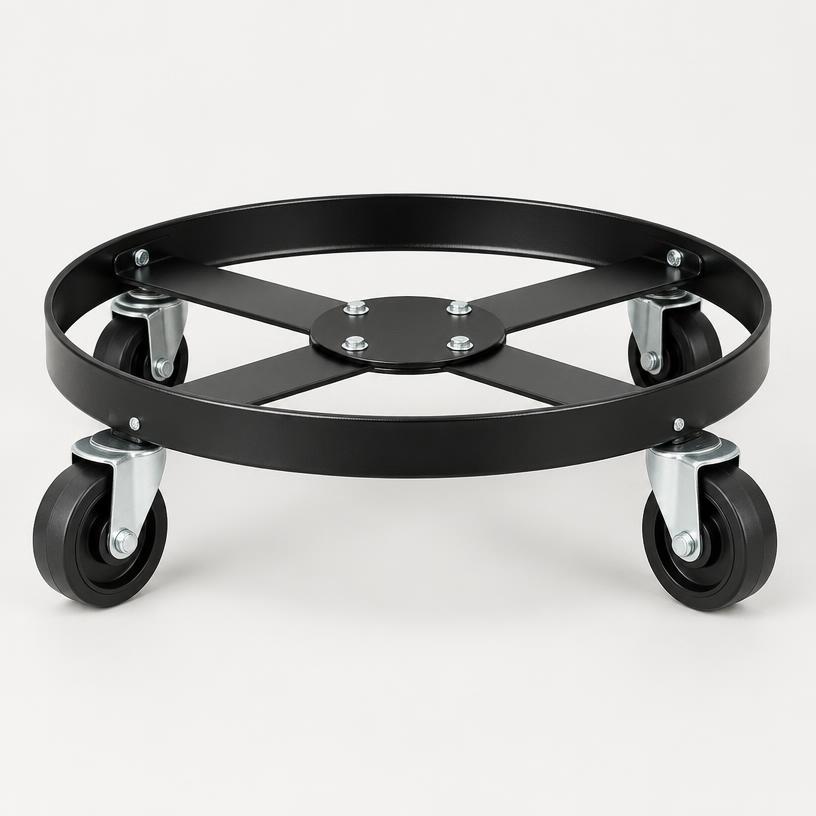
Rolling Plant Caddies
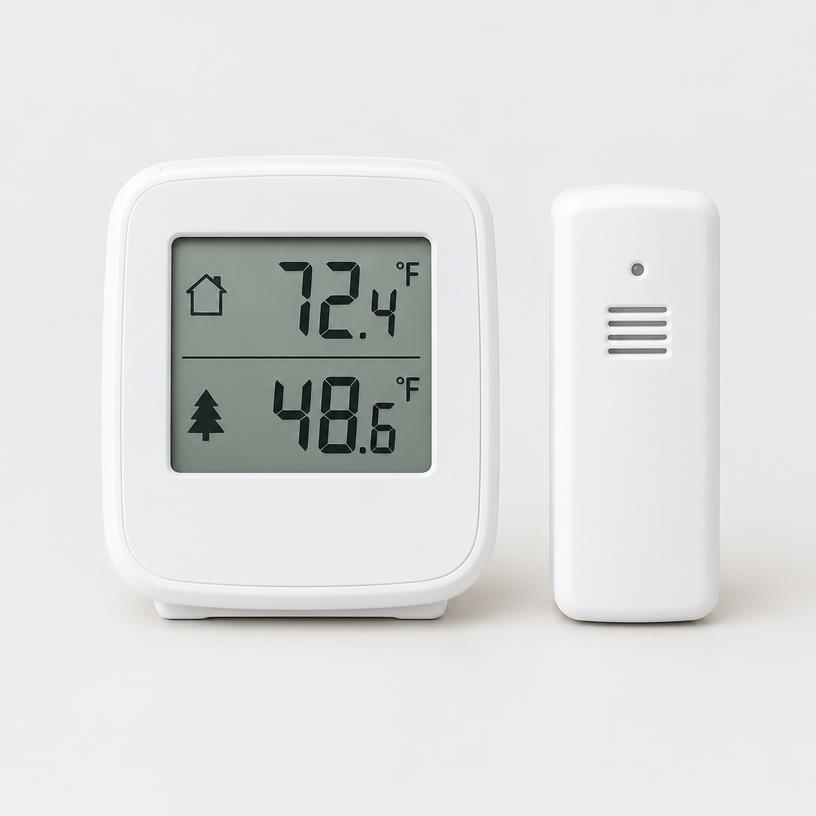
Wireless Indoor-Outdoor Thermometer
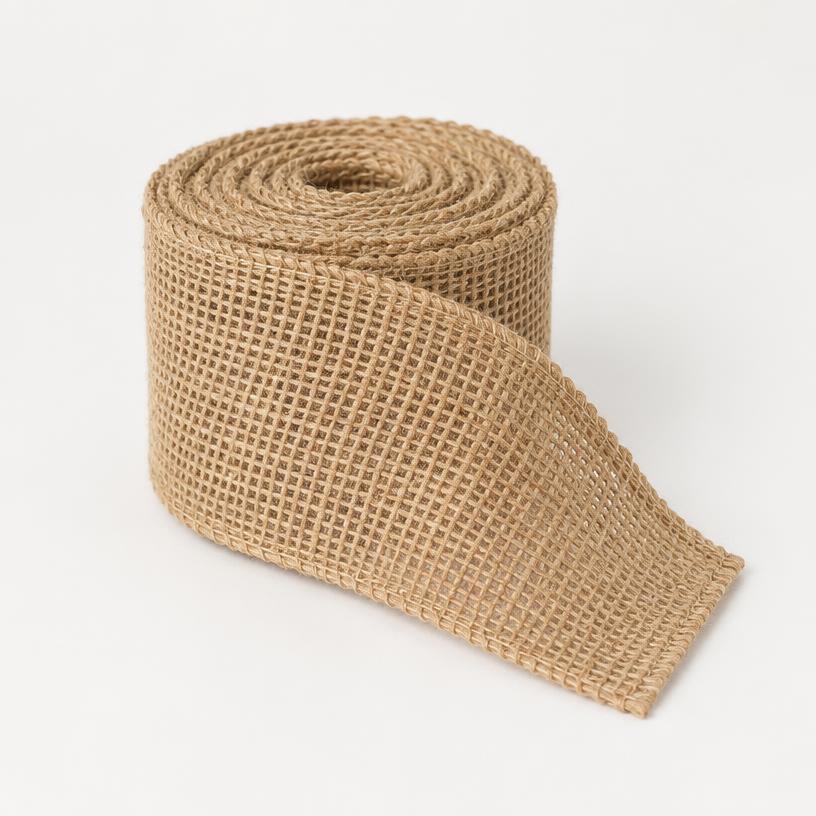
Natural Burlap Roll
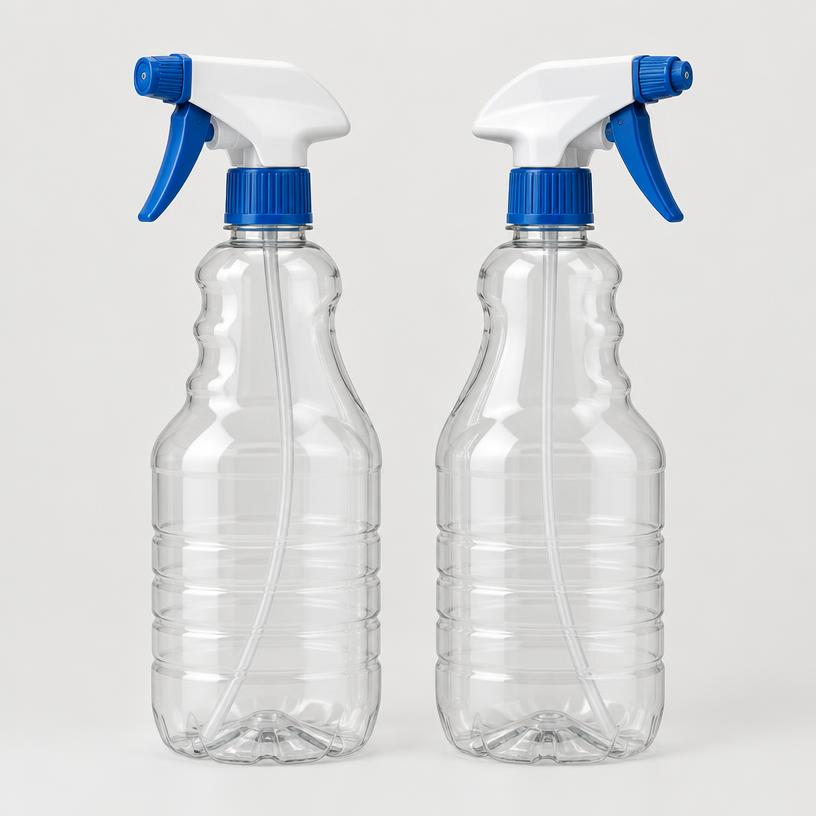
Heavy-Duty Spray Bottles
Disclosure: As an Amazon Associate, we may earn a small commission from qualifying purchases — at no extra cost to you.