How to Keep Your Mums Alive Past Halloween (and Your Pumpkins from Turning to Soup)
There is a very specific kind of heartbreak that happens around the second week of October. You bought gorgeous mums. You arranged them beautifully. You took a picture. And now they look like something you'd find in the bottom of a paper bag.
It's not you. Mums are dramatic. Pumpkins are worse. But both of them will hold up a lot longer than most people think, and almost all of it comes down to four or five small habits that nobody tells you when you're loading them into your trunk.
So let's fix that.
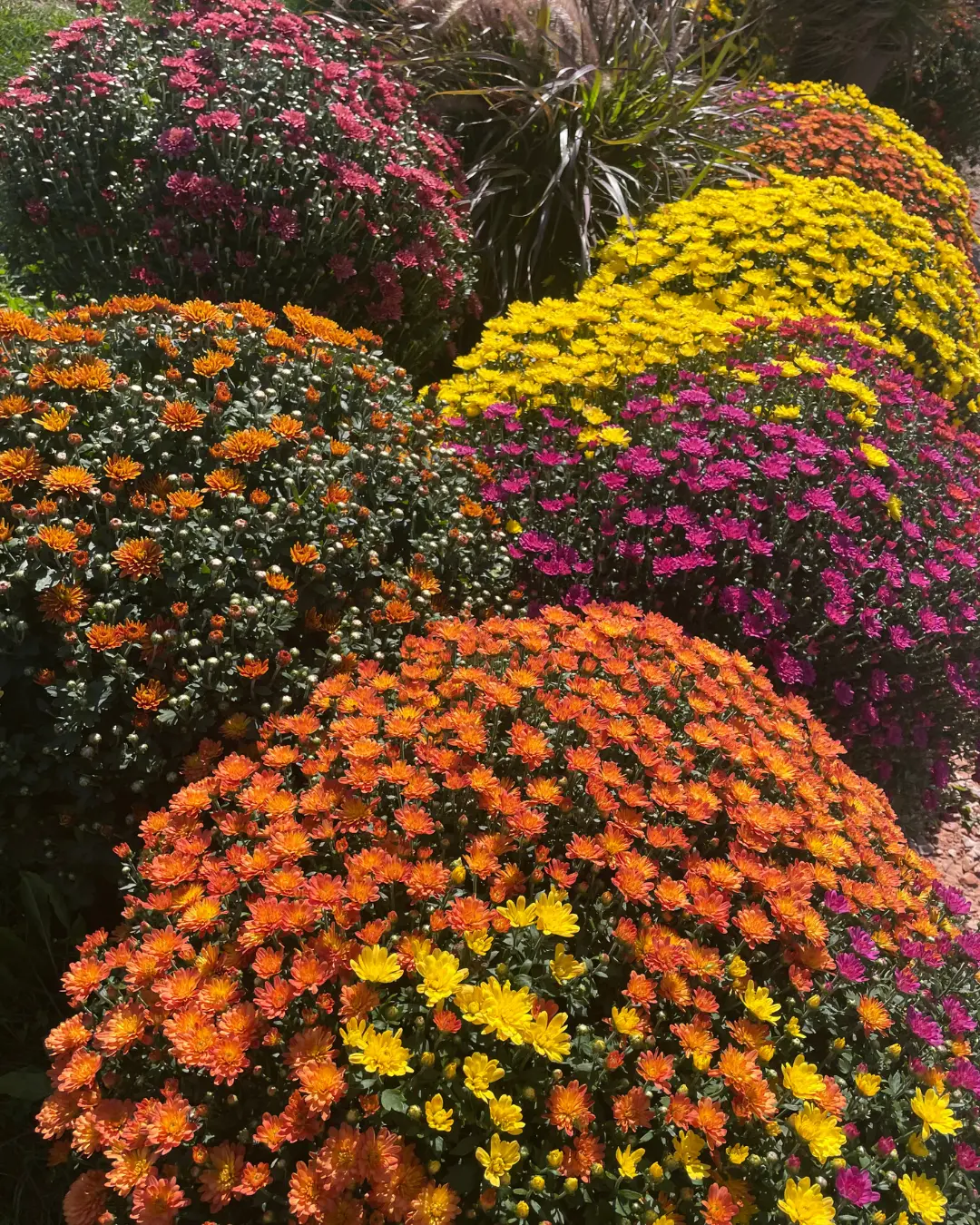
Why your mums die: it's almost always water
Garden center mums are grown in tight, root-bound pots. That root ball is basically a sponge that's already at capacity, and when you bring it home, it dries out fast — faster than your other planters, faster than your hanging baskets, faster than you'd ever guess by looking at the surface of the soil.
A potted mum in full sun in September can need water every single day. Sometimes twice on a hot, windy afternoon. If the leaves at the bottom are going crispy and brown while the top still looks fine, that's thirst, not disease.
Here's the test: stick your finger two inches into the soil. If it's dry at your second knuckle, water it. Water slowly, at the base, until it runs out the bottom. Do not water the flowers themselves — wet blooms on a cool night is how you get mushy brown petals and rot.
And if your mum is sitting in a decorative outer pot with no drainage, you've built a bathtub. Pull the nursery pot out, dump the water, put it back. Every time.
Buy tight buds, not open flowers
This is the single best thing you can do, and you do it before you ever get home.
A mum that's already in full, glorious bloom at the garden center is a mum that's already halfway through its show. A mum covered in tight little buds with just a few flowers opening looks less exciting on the shelf and will give you three to four more weeks of color.
If you're buying for a party or a photo shoot this weekend, sure, buy the open one. If you're buying for the season, buy the buds. Every time.
Deadhead, and keep doing it
When a bloom goes brown, pinch it off. Not just for looks — a spent flower tells the plant it's done, and the plant starts shutting down production to put energy into seed. Pinch the dead ones and the plant keeps pushing new buds.
Ten minutes with a cup of coffee on a Saturday morning will keep a mum looking full for weeks. It's the least glamorous garden task in existence and it works better than anything you can buy.
The frost question
Here in northwestern Wisconsin, we usually get our first light frost somewhere in late September or early October, and it's rarely the thing that kills a mum outright. A light frost will actually deepen the color on some varieties.
A hard freeze is different. If the forecast drops into the mid-20s, either drag the pots into the garage overnight or throw an old sheet over them before dark and pull it off in the morning. Don't use plastic directly on the plant — it holds cold against the leaves and does more damage than the frost would have.
Now, the pumpkins
Pumpkins rot from two things: moisture and broken skin. Control those and a good pumpkin will sit on your porch from late September through Thanksgiving.
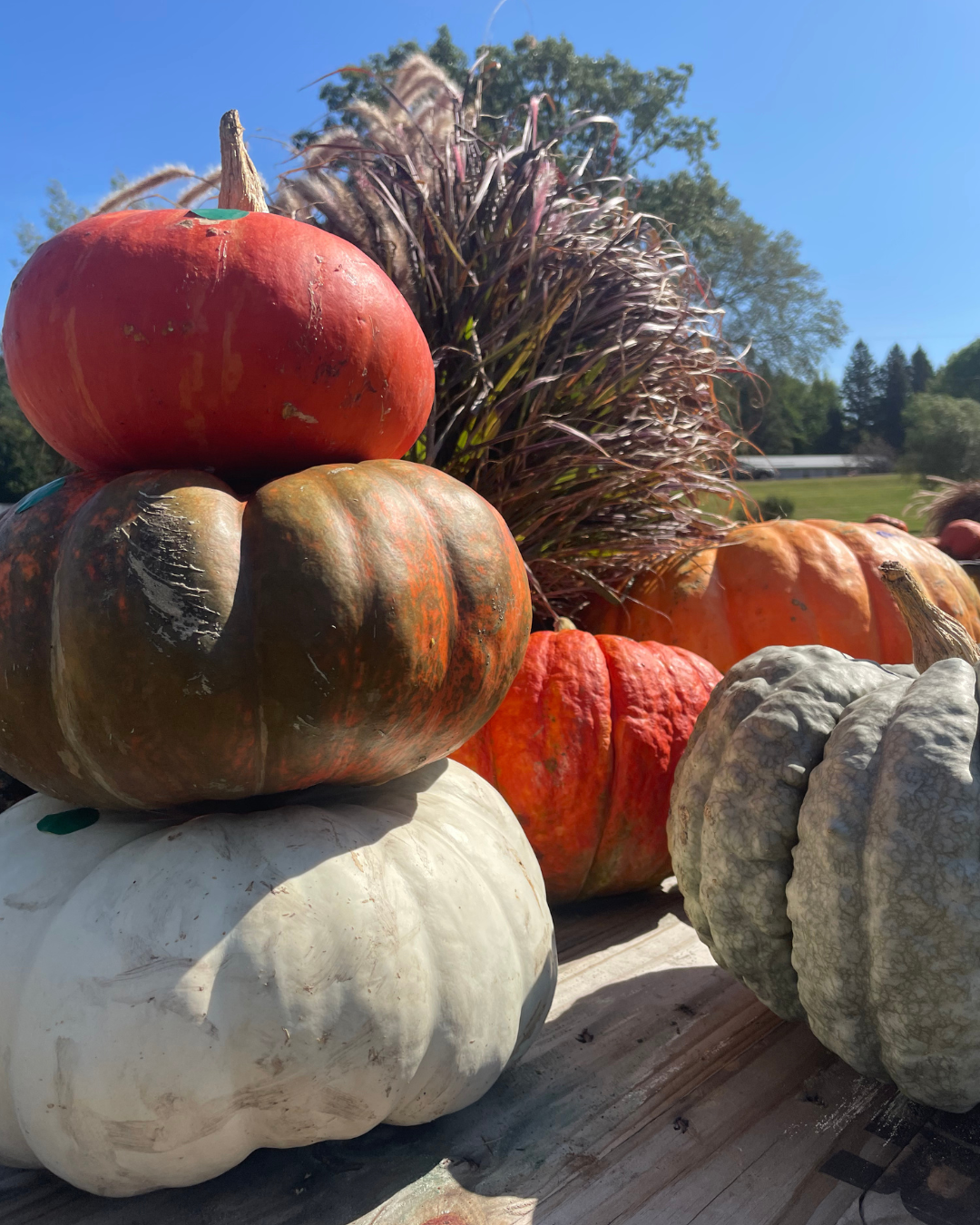
- Keep them off the ground. Direct contact with wet concrete, wet wood, or wet mulch is where rot starts. Set them on a piece of scrap board, a brick, a metal tray, an upside-down bucket — anything that lets air move underneath.
- Don't carry them by the stem. The stem is a handle in the same way a wine glass is a hammer. When it snaps, it tears the skin at the top and opens the whole thing up to bacteria. Two hands, underneath, always.
- Wipe them down when you get them home. A cloth with a little water and a splash of white vinegar, then dry them completely. You're removing field dirt and the bacteria riding along with it.
- Carve late. A carved pumpkin is a cut pumpkin, and a cut pumpkin is on a clock — usually five to ten days, less if it's warm. If you want carved jack-o'-lanterns on Halloween night, carve them the weekend before, not in early October. For the whole month of October, go with uncarved pumpkins, painted pumpkins, or drilled ones (a drill and a few different bit sizes makes a beautiful constellation pattern and cuts way less flesh).
- If you do carve early, a nightly spritz of water with a tiny bit of bleach on the cut edges slows things down, and pulling it into the garage on warm days helps more than people think.
The one mistake almost everybody makes
Putting the mums and the pumpkins in the same wet pile.
A rotting pumpkin sitting against a pot of mums will wick moisture right into that pot and rot both. Give everything a little breathing room. Your porch will look more intentional anyway — a tight cluster of six things reads as clutter; the same six things with space between them reads as a display.
Come Stock the Porch
Mums, pumpkins, gourds, straw bales, and corn shocks are all waiting in the barn, September 1 through October 31. Plan your visit →
Things That Actually Help
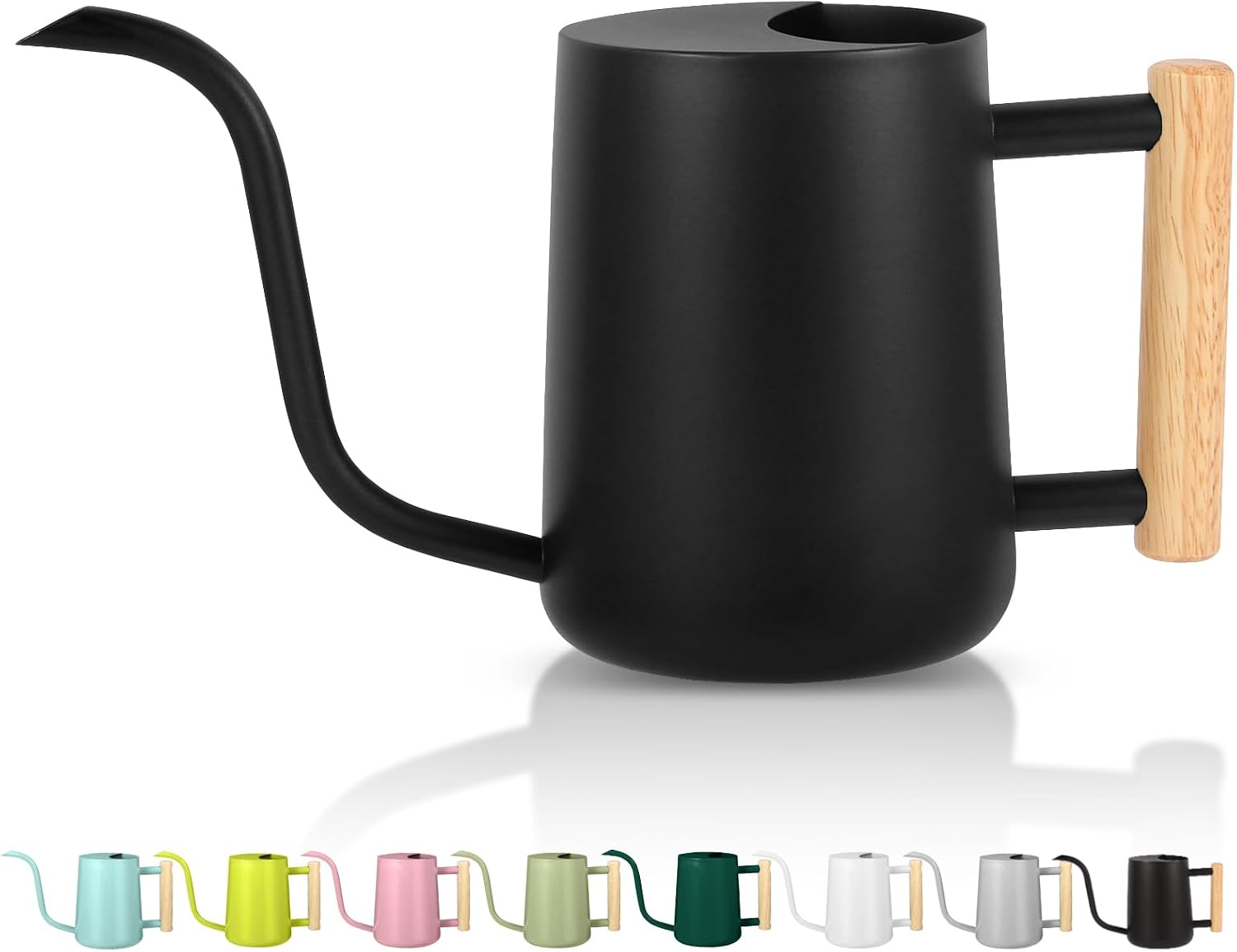
Long-Spout Watering Can
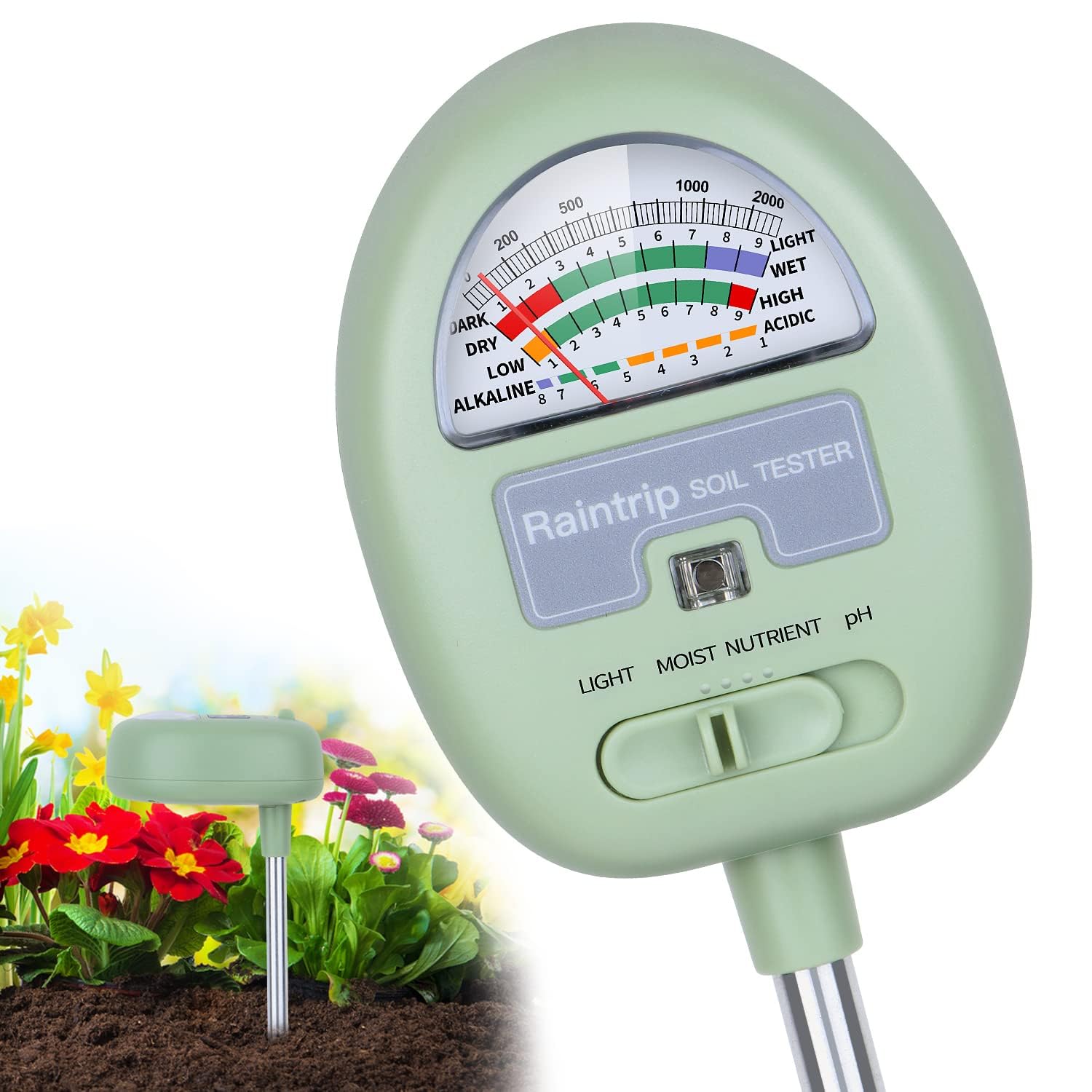
Soil Moisture Meter
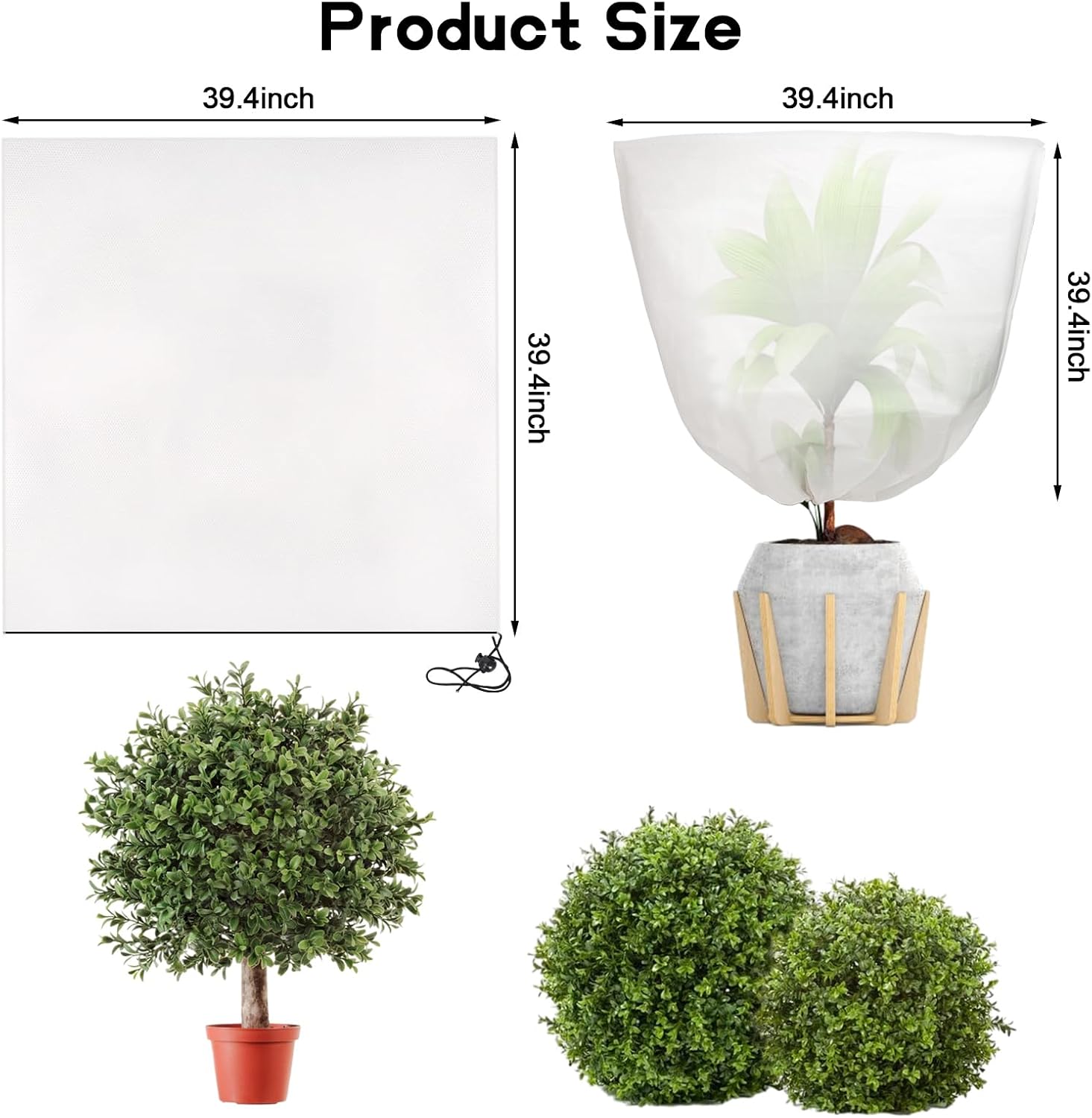
Frost Protection Covers
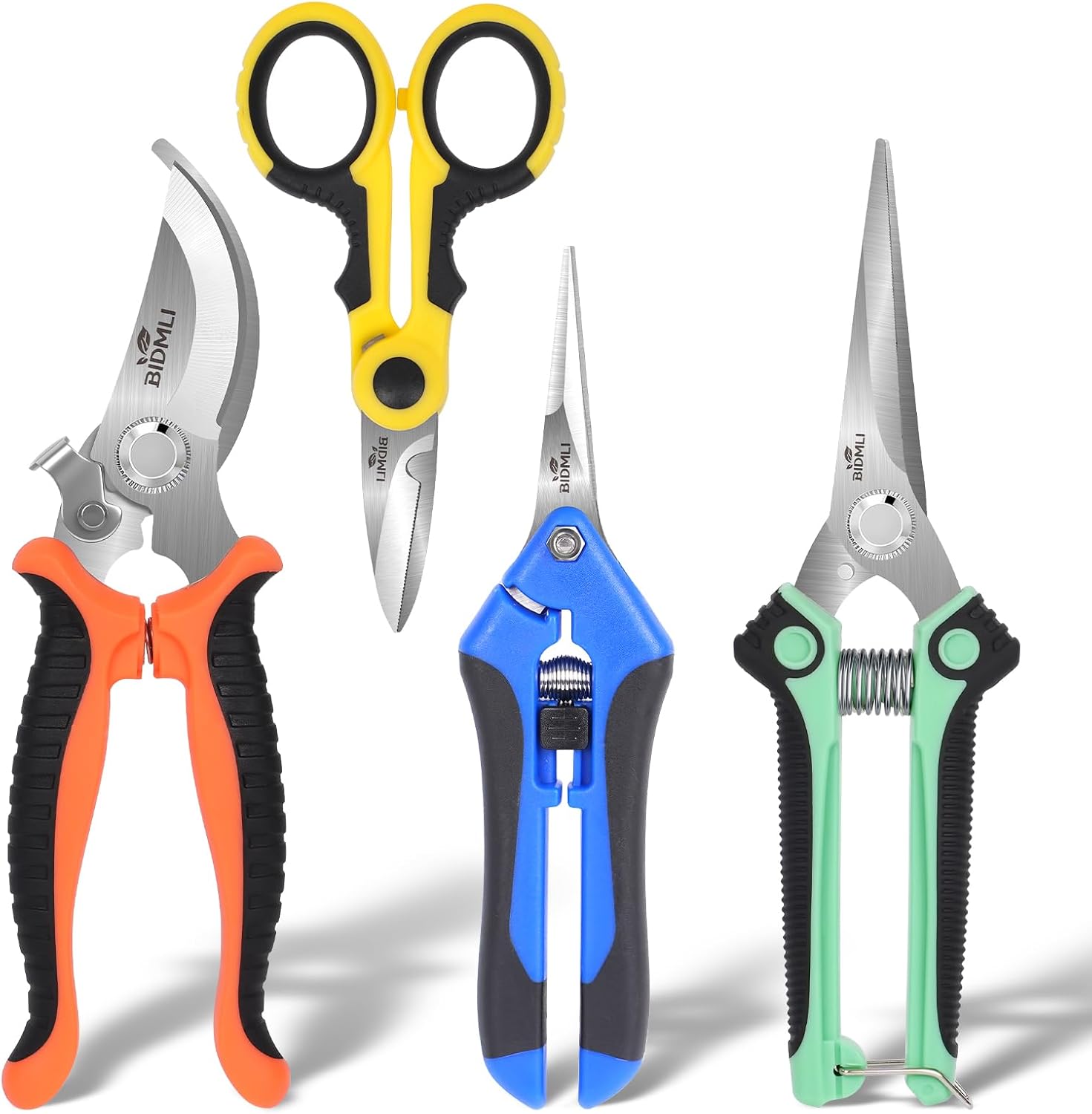
Bypass Pruning Snips
Disclosure: As an affiliate, we may earn a small commission from qualifying purchases — at no extra cost to you.