The First Frost: What Everybody on a Farm Is Watching For in Late September
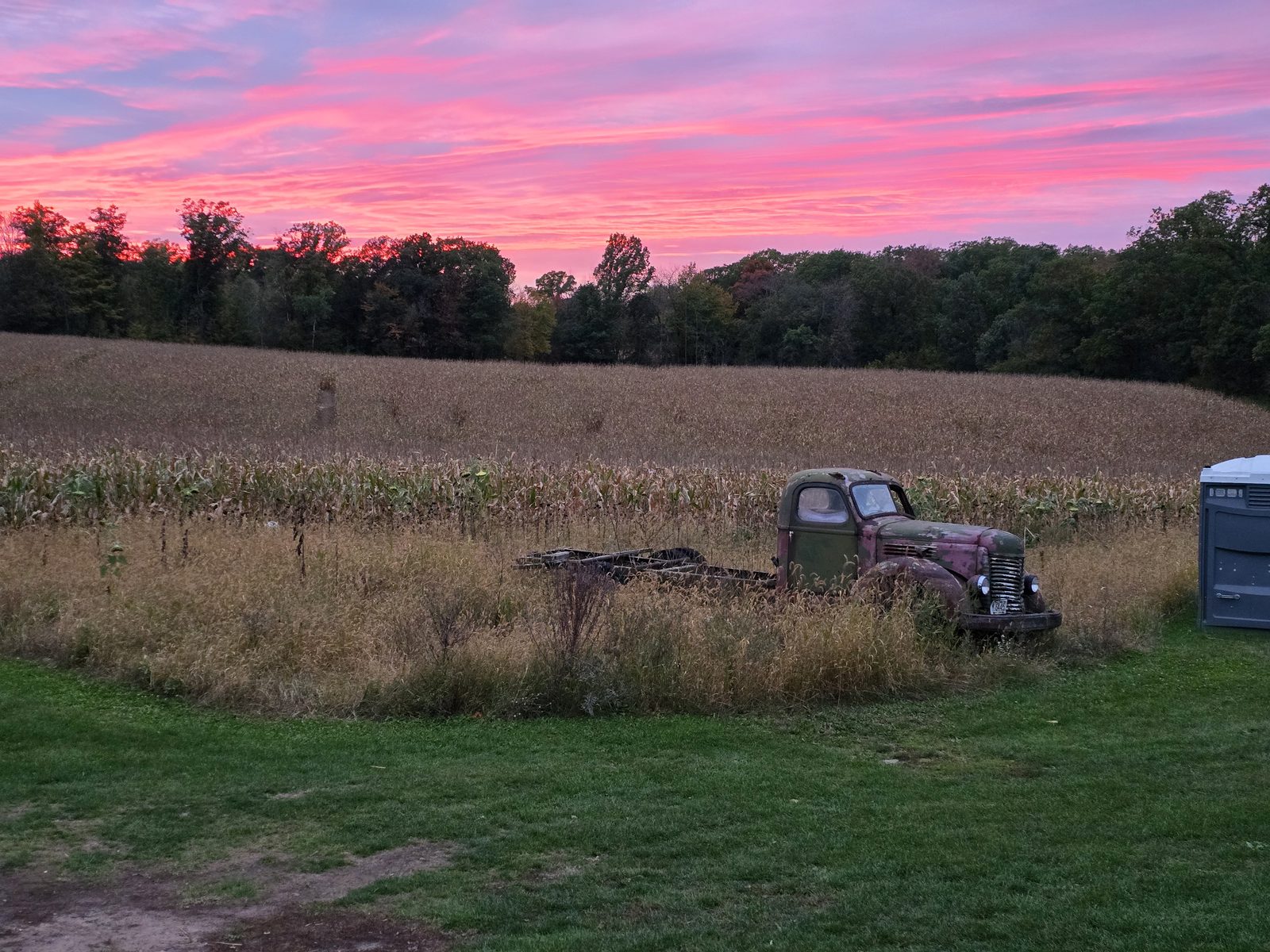
There's a specific evening every September where everybody who grows anything for a living checks the forecast about nine times.
It's the night the number drops into the 30s for the first time.
Most people see that and think sweater weather. On a farm it's the night that decides what's still alive tomorrow, and it's a genuinely interesting piece of weather once you understand what's actually happening.
Frost and freeze are not the same thing
A freeze is about air temperature — the air itself drops to 32 or below.
A frost is about surfaces. On a clear, calm night, the ground and everything on it radiates heat straight up into the sky. Surfaces get colder than the air around them, and water vapor freezes directly onto them.
Which is why you can get frost when the thermometer says 36. The air is 36; the leaf is 30. Your weather app is reading a thermometer in a shelter five feet off the ground, and your garden is on the ground.
That gap catches people every single year.
The three things that decide whether you get one
Clouds. A cloud layer acts like a lid, reflecting heat back down. Clear sky, frost. Overcast, usually not.
Wind. Wind mixes the air and keeps the cold from settling in a layer at ground level. A breezy night at 34 is often fine. A dead-still night at 34 is not.
Where you are. Cold air is dense and it flows downhill like water, pooling in low spots. A garden at the bottom of a slope can frost while one fifty yards uphill doesn't. These are called frost pockets, and once you know where yours is, you know it forever.
So the forecast you actually want isn't just the low. It's the low plus whether it's clear and calm.
Light frost versus a killing freeze
A light frost — roughly 29 to 32 for a short stretch — kills tender plants. Tomatoes, peppers, basil, squash vines, and pumpkin vines are done.
A hard or killing freeze — below 28, especially for several hours — goes further and damages the fruit itself, not just the plant.
That distinction is the whole ballgame here in late September. A light frost kills our pumpkin vines and doesn't hurt a single pumpkin. The fruit is already mature, the rind is hard, and it sits there perfectly fine in a field of dead vines. Apples shrug off a light frost too.
A hard freeze is different. Ice crystals form inside the flesh and break down the structure, and the sneaky part is that the damage doesn't show up for days. The pumpkin looks fine the next morning and collapses the following week.
The crops that get better
Here's the part most people don't know: a frost improves some vegetables, and dramatically.
When temperatures drop, certain plants convert stored starch into sugar, because sugar in the cells lowers their freezing point. It's antifreeze, and the plant is making it to protect itself.
We benefit. Kale, Brussels sprouts, parsnips, carrots, collards, and cabbage all get noticeably sweeter after a frost. Parsnips are the extreme case — a lot of growers won't dig them until after a hard frost, because before that they're just sort of vaguely sweet and after, they're wonderful.
So if you've got kale that tastes like lawn, leave it out. The weather is going to fix it for you.
What to do the night it's coming
Water in the afternoon. Counterintuitive, but moist soil holds and releases far more heat overnight than dry soil. It can buy you a degree or two, and a degree or two is usually the whole margin.
Cover before dark, not at bedtime. You're trapping heat that's already in the ground. If you wait until 10pm, most of it is gone.
Cover to the ground. A sheet draped over the top of a plant like a tent does nothing if the sides are open — the heat escapes sideways. It needs to reach the soil to close the pocket.
Use fabric, not plastic. Old sheets, blankets, burlap, or actual row cover. Plastic conducts cold straight through wherever it touches a leaf and leaves a burn line.
Uncover in the morning. Once the sun's up, the cover traps moisture and cooks the plant.
Bring the pots in. Anything in a container is far more exposed than the same plant in the ground, because the roots have no soil mass around them.
And for your porch: mums handle a light frost fine and some deepen in color. Pumpkins want to come into the garage on a hard-freeze night.
Around here
Our first frost usually lands somewhere in the last week of September through mid-October, and it moves a couple of weeks either direction depending on the year.
It's what ends the growing season and what makes the color turn, and honestly, the morning after is the prettiest the farm gets all year — dead-flat light, white on everything, and a field of orange pumpkins sitting in a tangle of blackened vines that did their job.
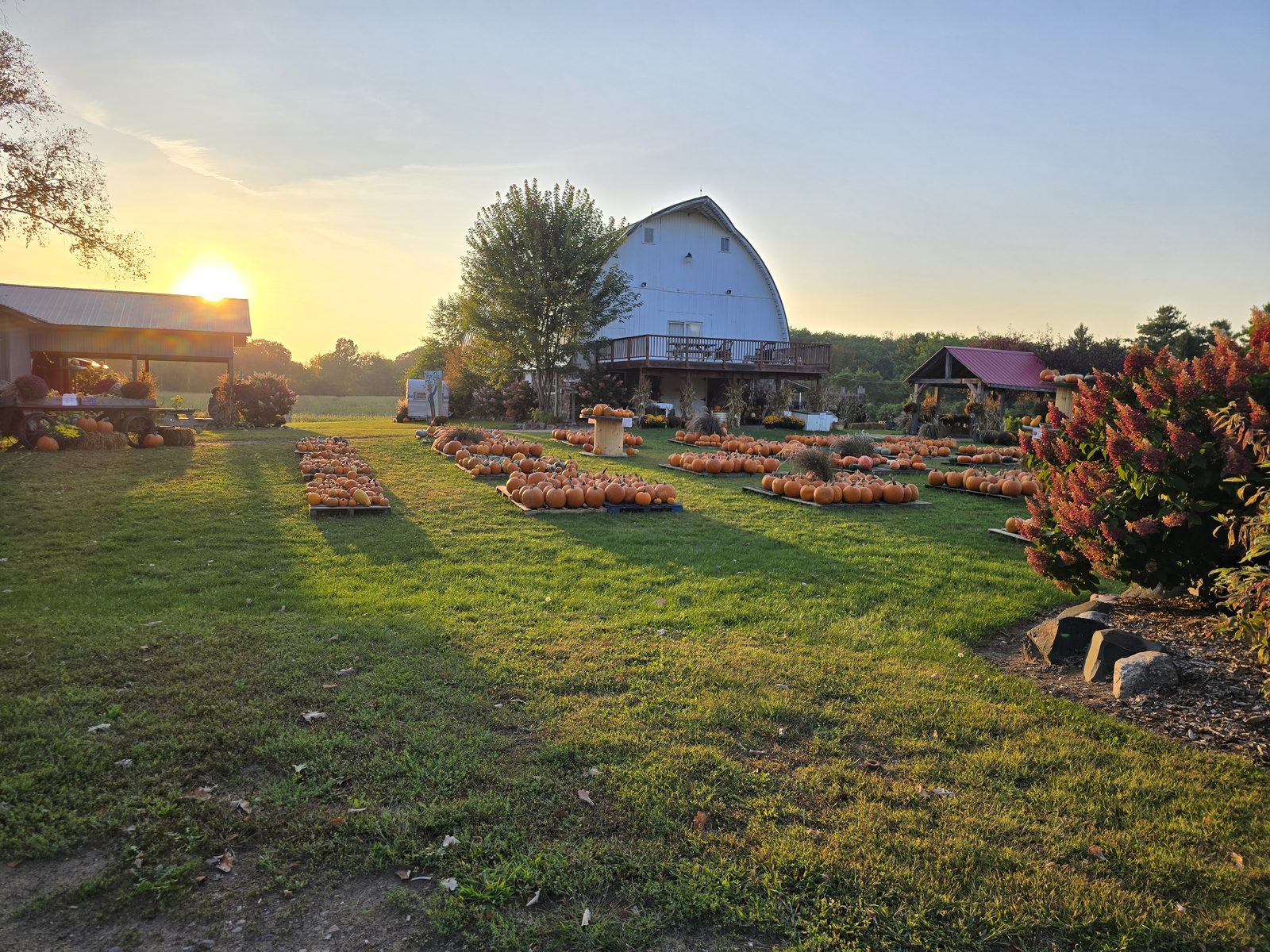
The pumpkins are fine. They always are.
We're open daily 10am to 6pm through October 31. Plan your visit →
Our Picks
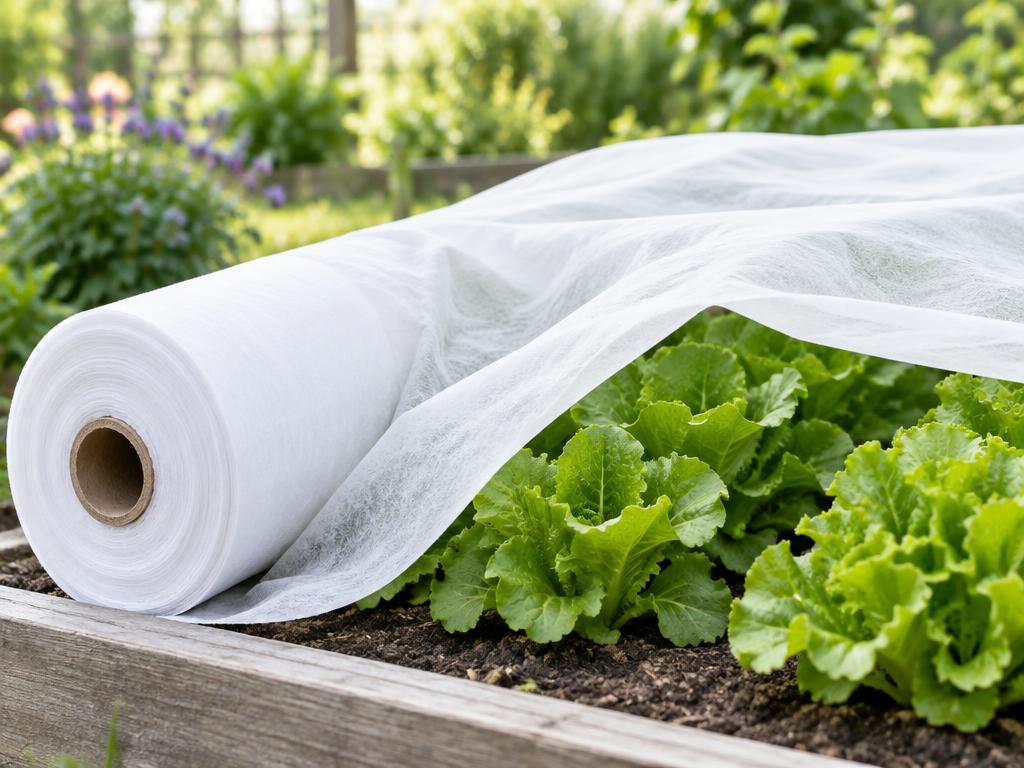
Floating Row Cover Fabric
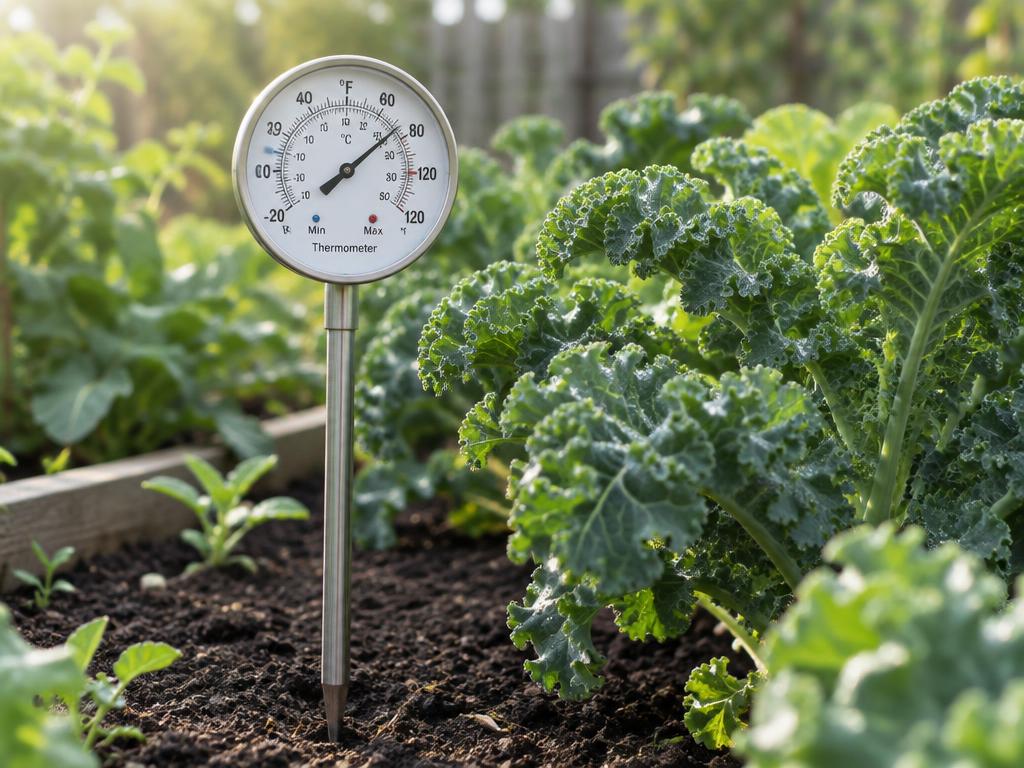
Min/Max Garden Thermometer
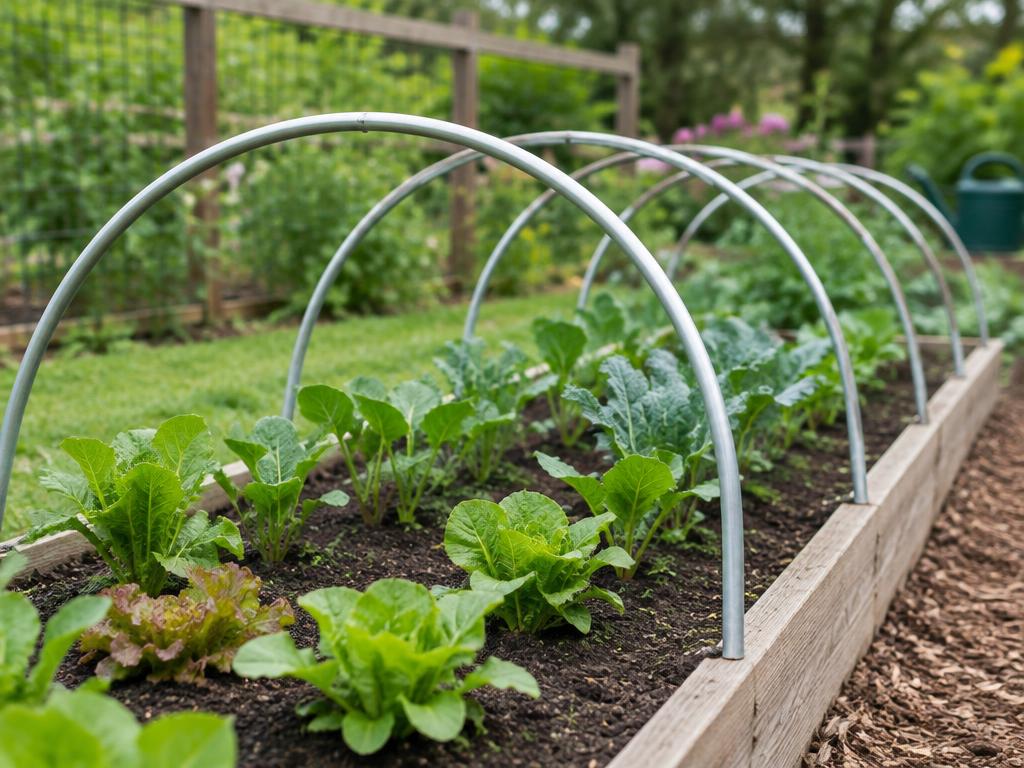
Garden Hoops
Landscape Fabric Staples
Disclosure: As an Amazon Associate, we may earn a small commission from qualifying purchases — at no extra cost to you.