Planning a Farm Field Trip: A Teacher's Guide to Getting It Right
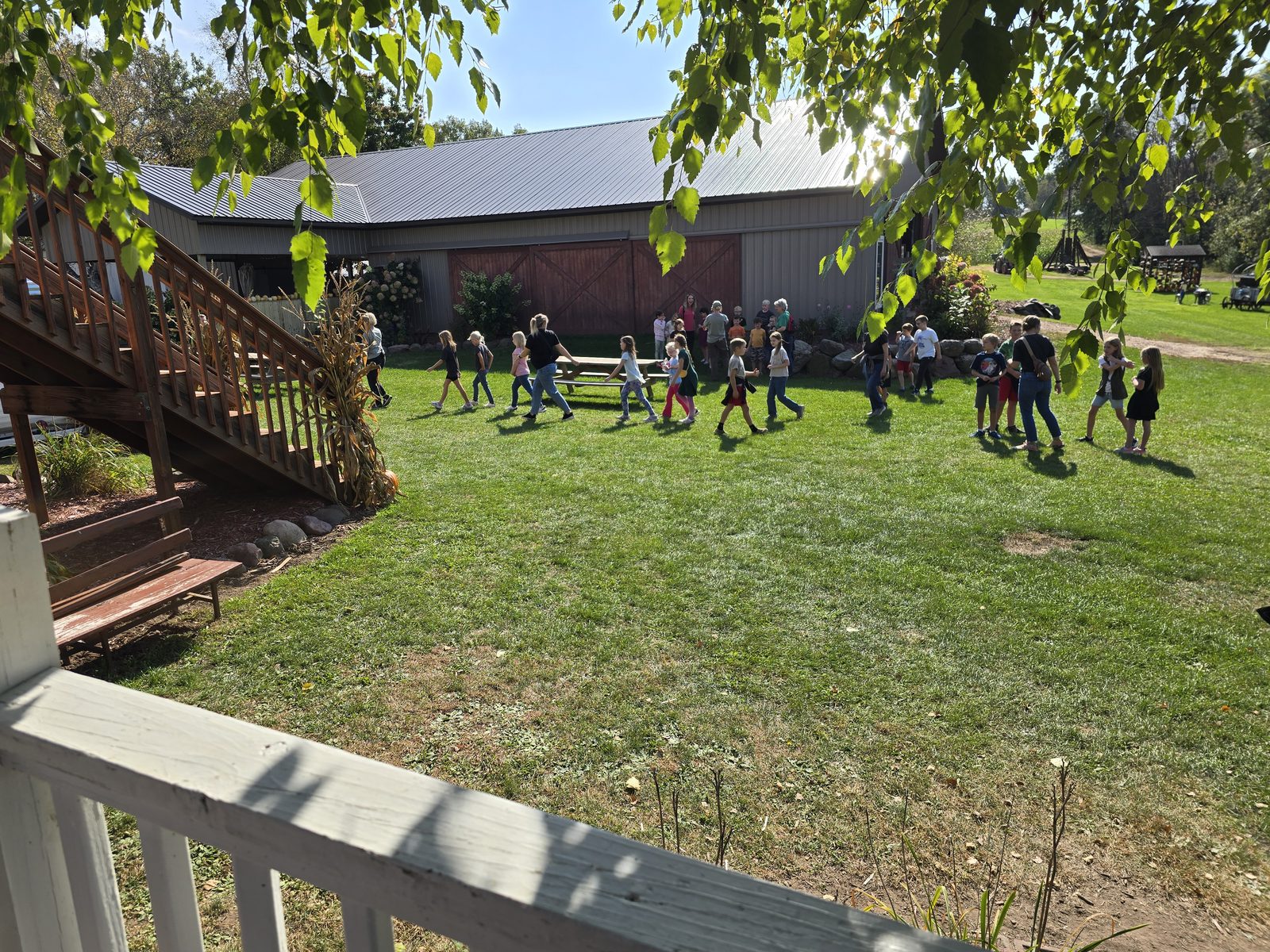
We host school groups all fall, and after a few seasons you start to notice that the trips that go beautifully and the trips that go sideways differ in about four specific ways — none of which have anything to do with the kids.
So here’s the whole thing from our side of the fence, including the parts nobody tells you.
Start with the math, because it’s the first question you’ll be asked
Our group tour rate is $10 per child, and that includes a pumpkin and an apple for every kid to take home. Chaperones are $5. Teachers are free.
That’s the number that matters when you’re standing in front of an office manager or writing a note home. The pumpkin being included is what makes it feel like a value rather than an expense, and it’s the thing kids talk about on the bus.
We take groups of 5 to 100. Larger groups get split into multiple guides so nobody’s herding forty children as one mass.
Book earlier than feels necessary
We need at least one week’s notice. That’s not a formality — it’s how we make sure there are enough trained guides on the schedule for your day.
But practically: October fills up. The first two weeks especially. If you want a specific week, a month out is realistic and two months is better.
Weekdays are the whole point. A weekday tour means your class essentially has the farm. On a Saturday in October there are hundreds of people here and your group is competing for space. On a Tuesday morning, it’s yours.
Book at our scheduling page, or call and we’ll walk you through it.
What 90 minutes actually looks like
A standard tour runs about an hour and a half:
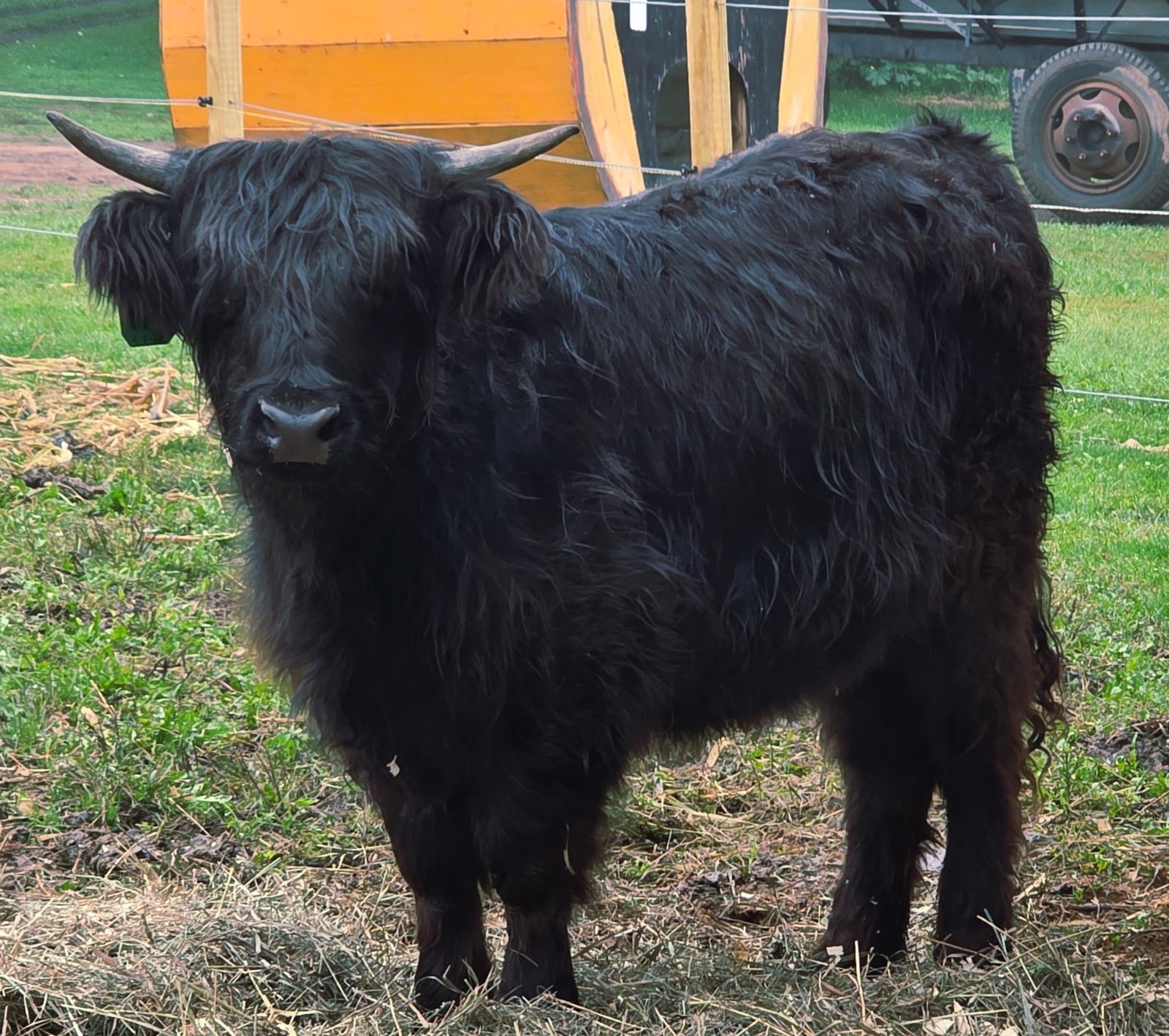
A wagon ride out through the property. The petting farm — Milton and Stevie the goats, Lucky the pig, and Lottie and Dottie, our baby Highland cows, who are the undisputed stars. The small corn maze, sized so a kindergartner can finish it and feel like they beat something. And story time, where a guide reads a farm story, usually while the pumpkin and apple handout is happening.
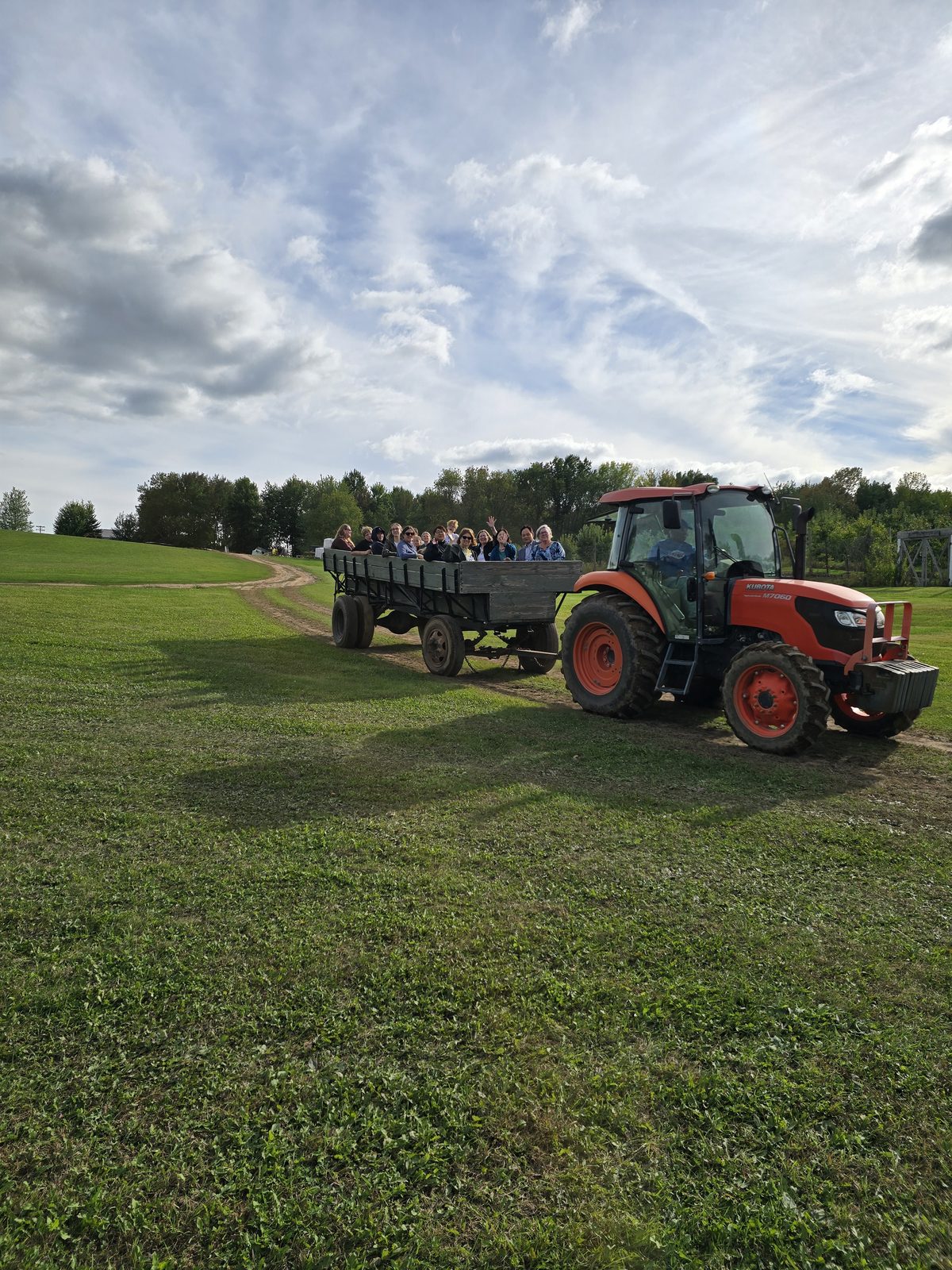
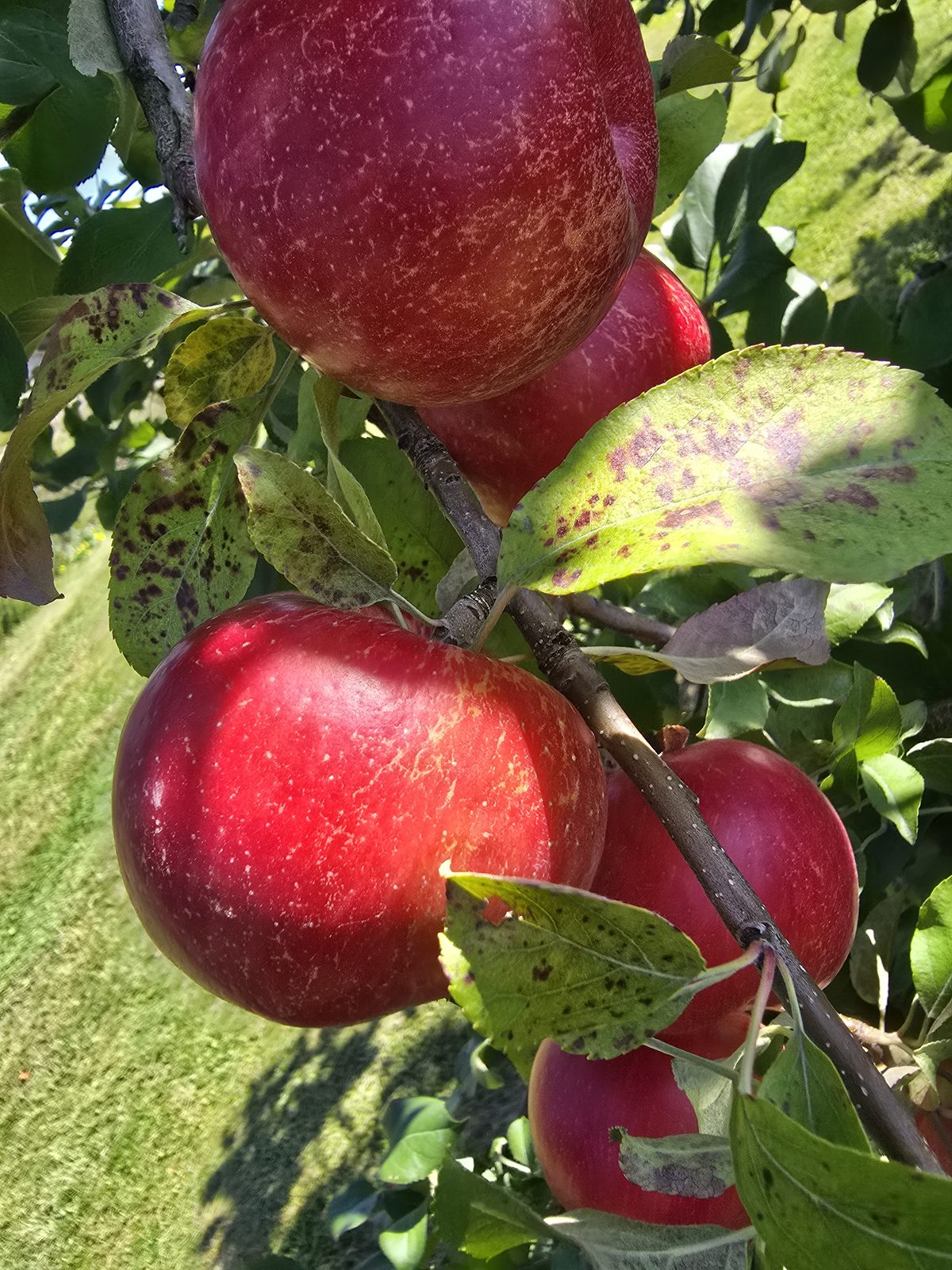
Then everybody gets their pumpkin and their apple and gets back on the bus.
It’s customizable. If you’ve got a specific unit you’re teaching, tell us. We’ll weight the tour toward it. Teachers who call ahead and say “we’re doing life cycles” or “we’re doing where food comes from” get a meaningfully different tour, and it costs nothing extra to ask.
The logistics answers
Bus parking: yes, on site.
Restrooms: yes, on site.
Lunch: sack lunches are welcome, and we’ve got a pavilion with tables to eat at. Arrange it when you book so we hold the space. (Outside food isn’t allowed for regular visitors, so this is a group-specific thing — just tell us.)
Weather: tours run rain or shine. If the forecast is genuinely miserable, groups can reschedule — call us and we’ll move you.
What kids should wear: closed shoes that can get muddy, and layers. A farm in October runs about ten degrees colder than town because there’s nothing to block the wind. This is the single most common thing to put in the note home, and the single most commonly ignored.
The free stuff most teachers don’t know about
We built two resources this year and put them on our website as free downloads.
A 46-page K–5 Teacher Guide — fourteen lesson plans with reproducibles, pre-visit and post-visit activities, a standards map, and links to Wisconsin Ag in the Classroom. Get it from the Teacher Hub →
A 37-page Farm School workbook — seven self-guided field lessons leveled into three bands (Sprouts for ages 5–7, Growers for 8–10, Harvesters for 11 and up), plus games, at-home experiments, and printables. Built for homeschool families, but plenty of classroom teachers use the leveling. Get the Farm School workbook →
Both include the Classroom Grow-Off, where students save seeds from their own pumpkin and grow them out in the spring. It turns a one-day trip into something that runs until June, which is the whole trick with field trips.
What separates a great trip from an okay one
Do something before you come. Even fifteen minutes. A class that already knows what a tassel is asks questions on the wagon ride. A class arriving cold spends the first thirty minutes just adjusting.
Brief your chaperones. Give each one a named group and one job. Unbriefed chaperones cluster together and talk to each other, which is human and understandable, and it leaves the teacher running everything.
Let them ask us things. Our guides genuinely like the questions, and a kid who asks a farmer something and gets a real answer remembers that trip differently than one who was walked past things.
Do something after. Plant the seeds. Make applesauce. Write about the pig. The trip is an anchor, not the lesson.
Homeschool families and small groups
The five-person minimum is low on purpose. Homeschool co-ops, scout troops, daycares, and library groups all book here, and a group of eight gets the same tour a class of eighty does.
Come out
School and group tours are booking now for the rest of October, and spring dates open well before you’d think to ask — if you’re building next year’s calendar, get in touch early.
Open daily 10am to 6pm through October 31.
Our Picks

Bulk Lanyards & Name Badge Holders
Color-code chaperone groups and reuse them for every trip for years.
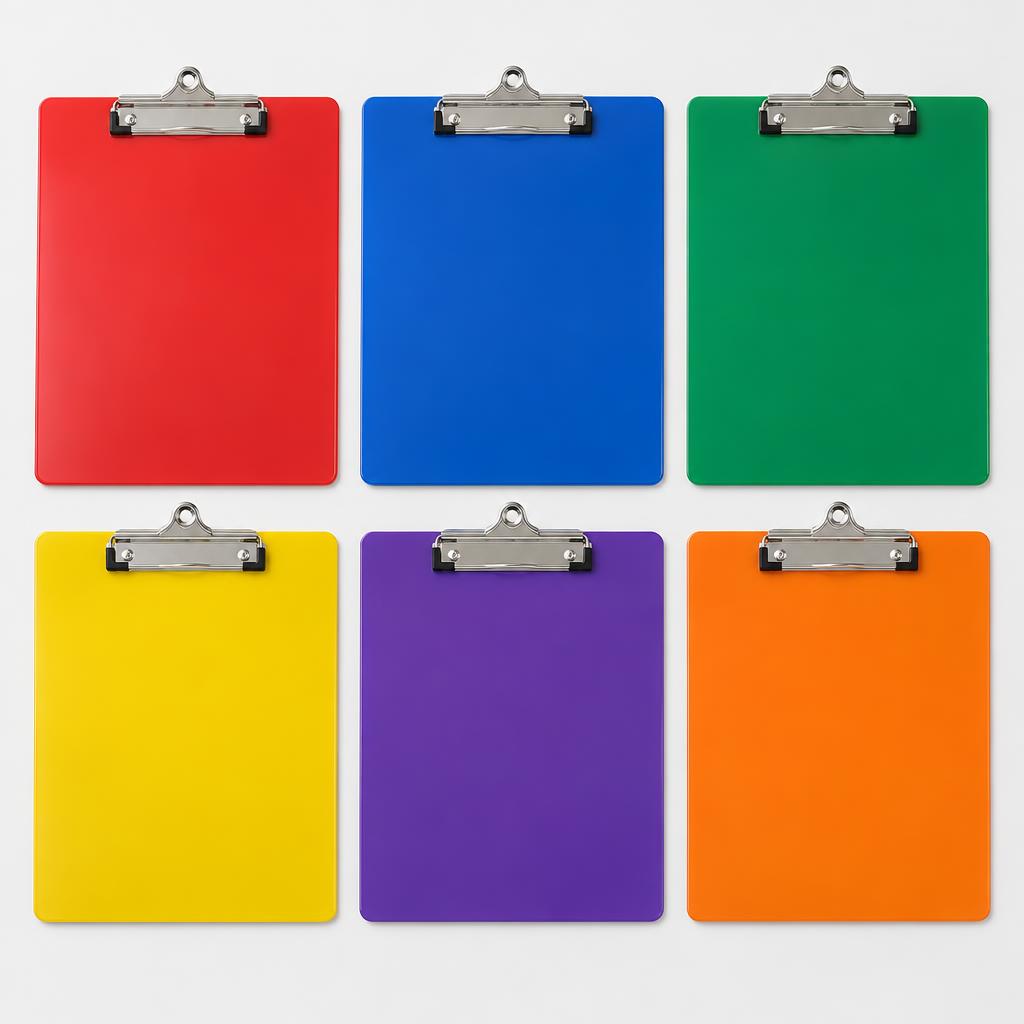
Classroom Clipboard Set
For a scavenger hunt or observation sheet on the wagon ride. A kid with a clipboard is a kid with a job.
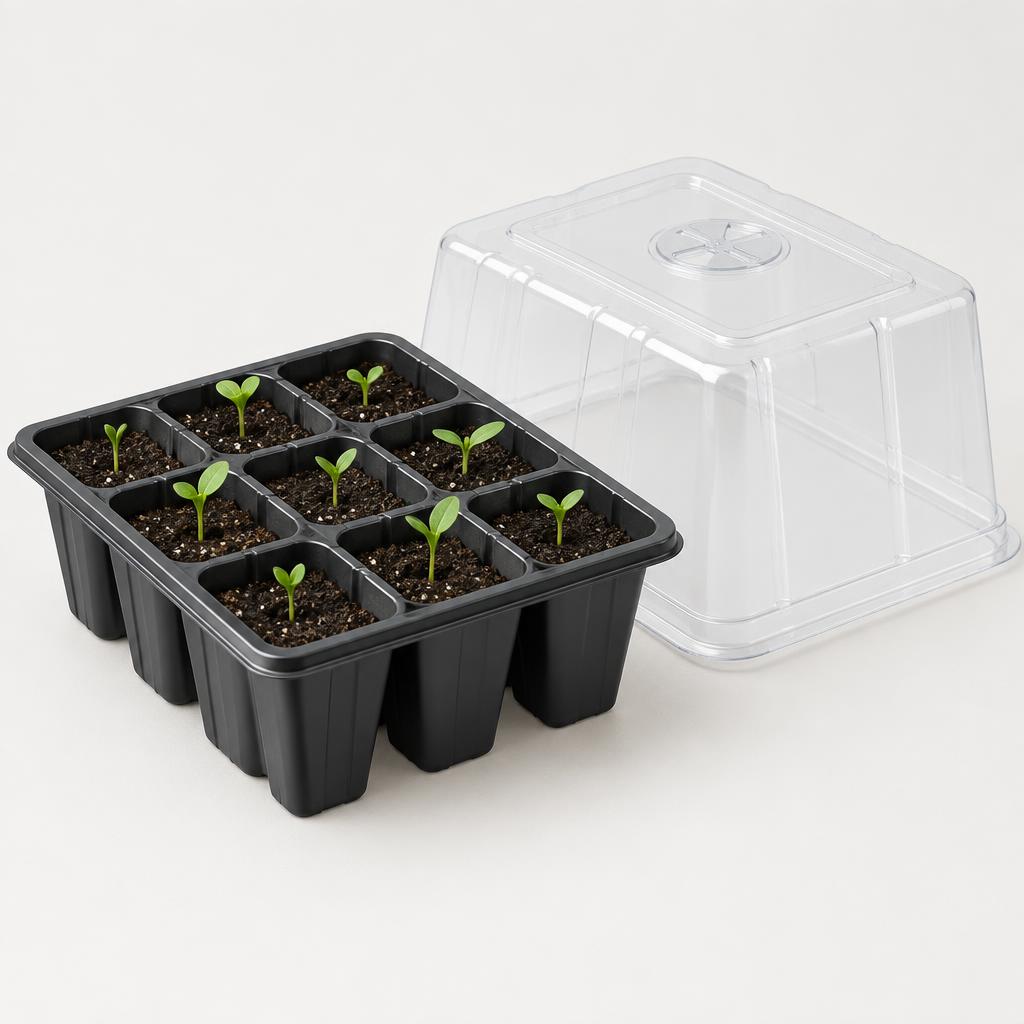
Seed Starting Tray with Humidity Dome
For the Classroom Grow-Off in spring. A dome helps germination on a cold classroom windowsill.

Kids’ or Classroom Instant Camera
Let a few kids document the trip. Their photos make post-visit writing substantially easier.
Disclosure: As an Amazon Associate, we earn from qualifying purchases — at no extra cost to you.