What to Plant in October in Northern Wisconsin (Yes, There Is Still Time)
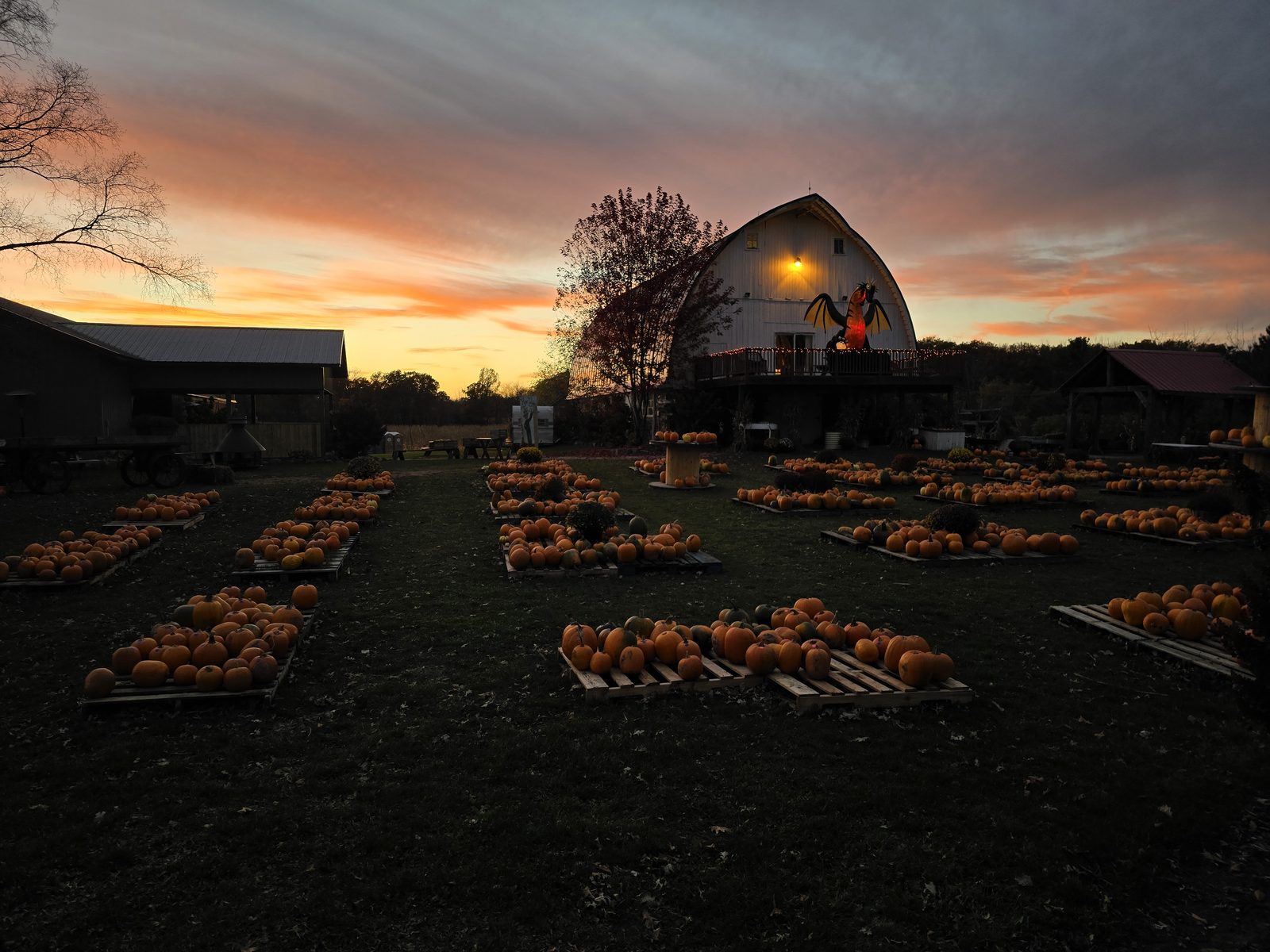
Everybody treats October like the garden’s funeral.
You pull the tomato cages, you curse the frost, you haul the dead stuff to the burn pile, and you tell yourself you’ll think about it again in April. Meanwhile the ground is still workable, the soil is still warm underneath, and there is exactly one crop that will fail if you wait for spring.
So before you put the shovel away, read this. It’ll take you one afternoon.
Garlic is the one crop that actually needs winter
Here’s the part most people don’t know: garlic will not form a proper bulb without a cold period first.
Plant a clove in May and you get a weak little shoot and a sad undivided bulb about the size of a shallot. The plant needs weeks of cold to trigger bulbing. It isn’t a preference, it’s a requirement — the only real exception being artichoke-type softnecks, which need less chill and can get away with spring planting.
That’s why garlic is a fall crop in a climate where everything else is sprinting to get out of the ground.
The timing: plant within a week or two after your first killing frost. We’ve had ours in Barron County already. What you want is for the cloves to put down roots this fall and send up a shoot that stays below the soil surface until the ground freezes hard. Roots now, leaves in April.
Too early and the shoot comes up and gets killed. Too late and there aren’t enough warm days left to root. The window is real but it’s not narrow — you’ve got a few weeks.
How deep, how far apart, which end up
Break the head into individual cloves the day you plant, not before. Leave the papery skin on.
Pointed end up. Flat end — the part that was attached to the base — down. This matters more than you’d think; a clove planted upside down will usually still grow, but it wastes energy turning itself around and you get a smaller bulb.
Two to three inches deep, about six inches apart.
Don’t cheat the depth. Shallow-planted cloves are the ones that heave out of the ground during the freeze-and-thaw cycles in March, and a clove sitting on top of frozen mud in a Wisconsin spring is a dead clove. Three inches in heavy soil, two in something sandy.
The straw part everyone skips
After planting, put down three to four inches of clean straw.
This is not optional insulation-for-looks. What the mulch actually does is stop the soil temperature from swinging. It’s not the cold that kills garlic here, it’s the repeated freeze, thaw, freeze, thaw that lifts cloves right out of the dirt.
Clean straw, not hay. Hay carries seed and you’ll be weeding grass out of your garlic in June.
Then in spring: pull the mulch back once hard freezes are done so the soil can warm and the shoots can come through. Once the shoots are about six inches tall, put it back down for weed control. Two trips out there, total.
Hardneck or softneck, and why grocery store garlic fails
For a Wisconsin winter, plant hardneck. It’s bred for long cold winters and short growing seasons, which is a tidy description of what we have. Softneck types want milder winters and longer seasons, and a cold winter actually makes softneck garlic taste hotter — not better, just sharper.
Hardneck gives you scapes, too, which is a bonus crop nobody warns you about. The curly flower stalk comes up in June. Snap it off right after it starts to curl and eat it; it’s one of the best things that comes out of a garden all year.
Snapping the scape also sends energy back into the bulb. In poorly fertilized soil, leaving the scape on can cost you up to 30 percent of your yield. In well-fed soil it’s under five percent. So feed your garlic bed and the scape question gets a lot less urgent.
And the grocery store bulb in your pantry: it’s usually softneck grown somewhere warm, which is the wrong type for here, and it’s frequently treated to keep it from sprouting on the shelf. Buy seed garlic from somebody who grows in a climate like yours.
While you’re out there, do the bulbs
Spring bulbs go in now too, and the rule is simpler than people make it: plant them once the soil has cooled but before it freezes. Daffodils, tulips, alliums, crocus.
Same logic as garlic, actually — they need the cold to do what they do. A tulip bulb sitting in your garage all winter is a tulip bulb that will never bloom.
Plant at roughly three times the bulb’s height in depth, pointy end up, and don’t bother with bulb fertilizer the first year. There’s already a full year of flower packed inside the bulb. The fertilizer matters for year two.
What not to plant now
Trees and shrubs. People see “fall planting” advice written for Zone 6 and put a young tree in the ground in October up here, and it goes into winter without enough root established to pull water. Spring planting is safer in a Zone 4 winter.
Grass seed is also past its window. Late August into early September is the time for that around here. October seed mostly feeds birds.
One afternoon, one season ahead
That’s the whole thing. One afternoon in October — garlic, bulbs, straw on top — and you’ve done the only gardening that can’t be done in spring.
Come July you’ll pull up heads of garlic you grew yourself, and they will be better than anything in a store, and you will become insufferable about it. Everybody does.
While you’re here
We’re open daily 10am to 6pm through October 31. Straw bales are $10 — the same clean straw you want over that garlic bed — and corn shocks are $7 if you want the garden to look like something while it sleeps. Mums are $10 single and $22 tri-color.
Admission is $10 weekdays, $15 weekends, and kids 2 and under are free.
Our Picks
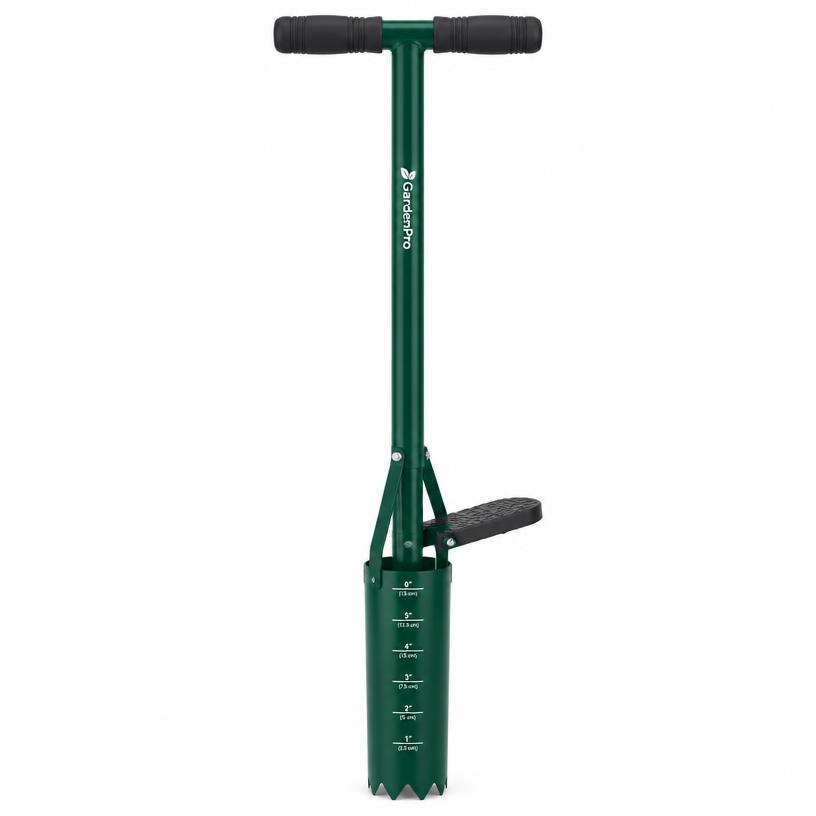
Bulb Planter with Depth Gauge
The long-handled step-on kind. Consistent depth every time, and it saves your back over a hundred cloves.
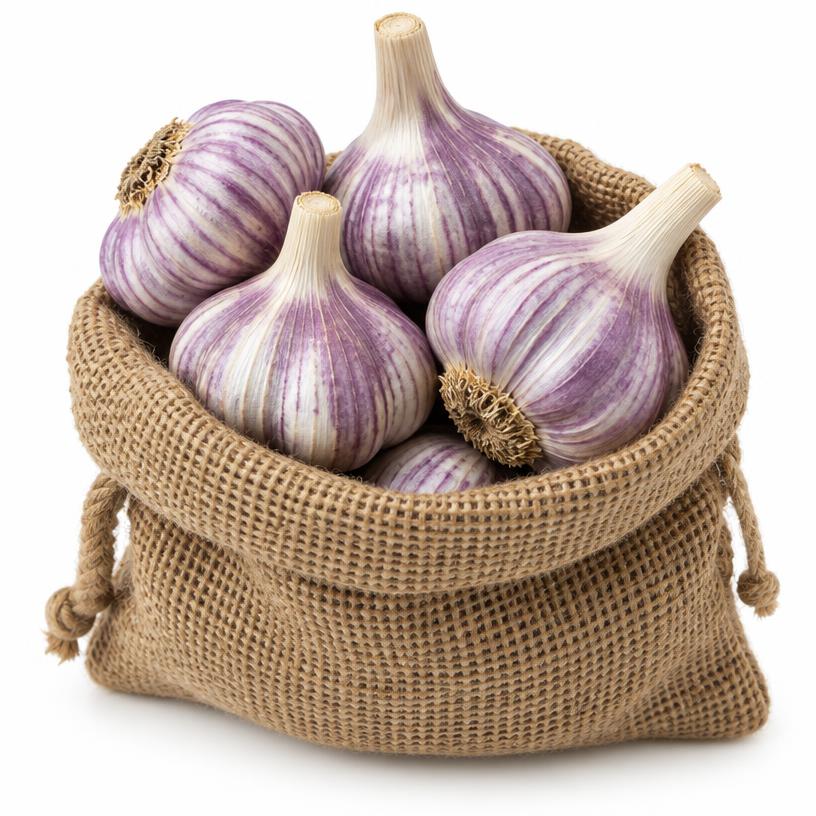
Hardneck Seed Garlic
Not the grocery bulb. Plant the biggest cloves, eat the small ones, and save your own next year.
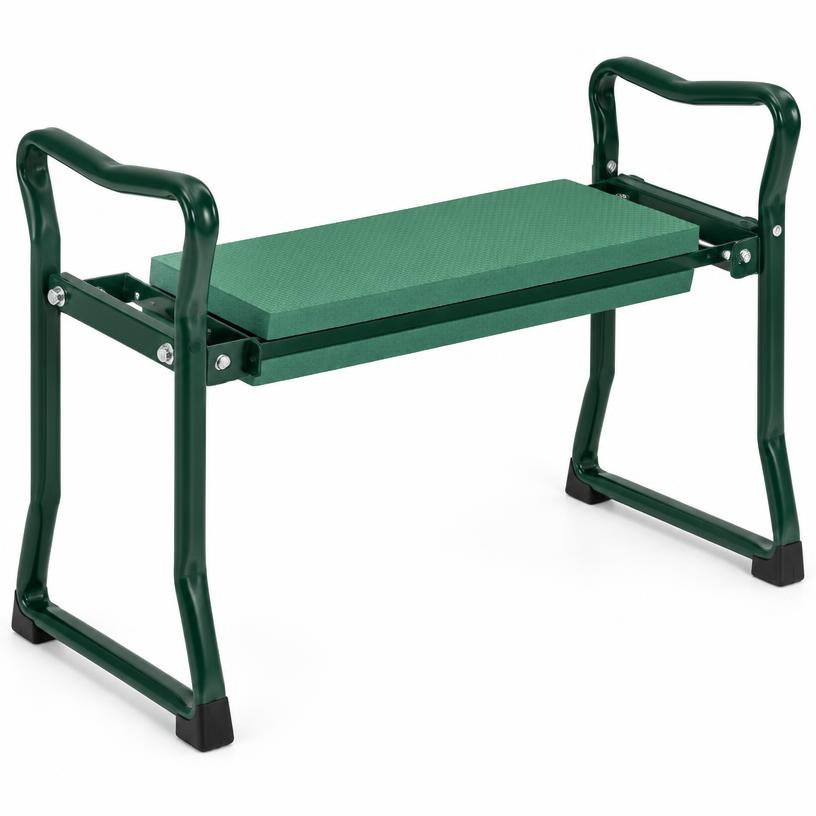
Garden Kneeler Bench
October ground is cold and wet. The least glamorous item here and the one you'll thank us for.
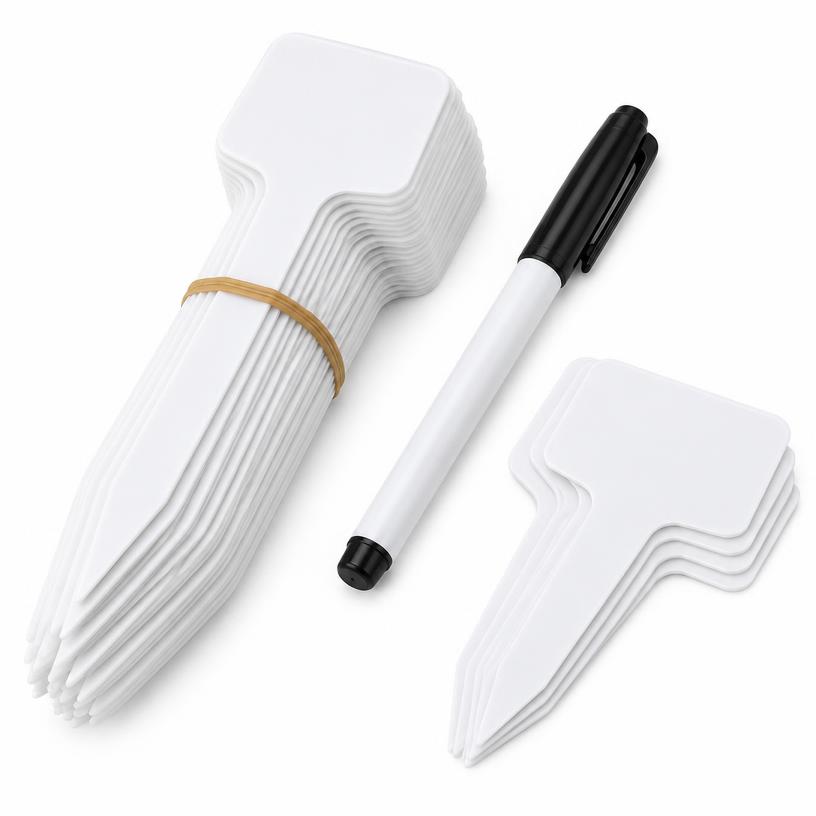
Waterproof Plant Markers
You will not remember in April which row is which. Write it on something that survives snow.
Disclosure: As an Amazon Associate, we earn from qualifying purchases — at no extra cost to you.