How to Make a Peck of Apples Last Until February
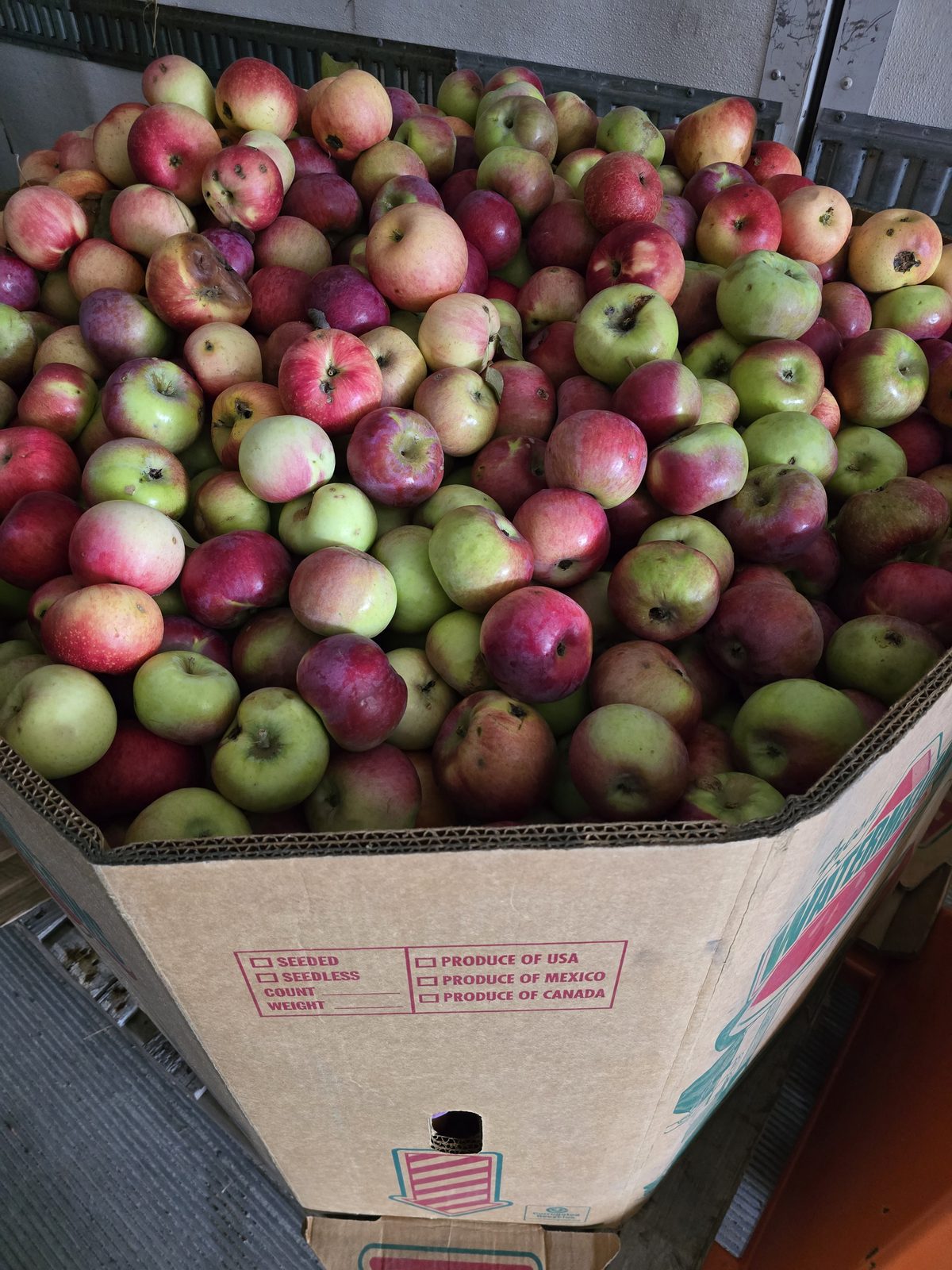
You bought the half bushel. It felt like a great idea in the parking lot.
Two weeks later you open the bag and half of them have gone soft and faintly grainy, like a sponge that used to be fruit. You eat two out of guilt and throw the rest in the compost, and next year you buy the small bag instead.
Here’s the thing: the apples weren’t bad. The storage was. And the fix costs nothing, because it’s mostly about where you put them and what you put them next to.
The number that explains the whole problem
Apples ripen about four times faster at 50°F than they do at 32°F.
Four times. That’s it, that’s the whole article, everything else is detail. Nebraska Extension put that number on it, and once you know it you can’t un-know it. A bowl on the counter at 68 degrees isn’t storage. It’s a countdown.
Apples hold up best as close to 32°F as you can get them without going below. They won’t freeze at 30 or 31 — there’s enough sugar in them to drop the freezing point — which is why commercial storage sits right at the edge like that.
Your kitchen counter is roughly 36 degrees warmer than that. Your fruit bowl is a slow oven.
The coldest spot you own is probably the back of the fridge
Most home refrigerators run 37 to 40°F. Not perfect, but a world better than the counter, and the back of the bottom shelf is usually the coldest corner in the box.
One catch. Refrigerators pull moisture out of everything, which is how you end up with apples that are cold and shriveled. The fix is a plastic bag with a handful of holes punched in it — the holes let the gases move, the plastic holds the humidity. A produce bag with a few knife slits does the job.
If you have an unheated entry, a garage that stays above freezing, or an actual root cellar, that’s better than the fridge. Check it with a thermometer before you trust it. Below 30 and you’ll get brown corky spots under the peel.
“One bad apple” is not a figure of speech
Apples are among the heaviest ethylene producers in the produce world. Ethylene is the gas fruit uses to tell itself to ripen, and apples broadcast it.
A bruised or split apple broadcasts considerably more.
So when you put one damaged apple in a bag with nineteen good ones, it isn’t sitting there quietly rotting on its own schedule. It’s actively telling the other nineteen to hurry up. The phrase about one bad apple spoiling the barrel is not a metaphor somebody invented. It’s a description of a chemical process.
Sort the bag the day you get home. Anything bruised, split, cracked, or punctured goes in the eat-this-week pile or straight into the pot. Only perfect fruit goes into storage.
What not to park next to your apples
Onions.
Barron County’s own Extension office puts this plainly: onions give off pungent gases, and apples and potatoes both absorb them. Store them together and you get apples that taste faintly of onion, which is exactly as unpleasant as it sounds and completely unfixable once it happens.
Keep apples away from the rest of the produce generally, actually. That ethylene will yellow your broccoli, soften your cucumbers, and sprout your potatoes. Apples are bad roommates. Give them their own drawer.
Not every apple wants to be stored
This is the part that surprises people, because it runs opposite to what you’d guess from price and reputation.
Late-maturing varieties are the keepers. The ones picked at the back end of the season have the dense flesh and the acidity to hold for months.
The early ones — Honeycrisp among them, plus Gala, Paula Red, Jonagold — are eating apples. They’re wonderful. They are not storage apples, and no amount of careful handling will make them into storage apples. Eat those first and store the late ones.
Which means the right move at the farm stand is to buy a bag of the early varieties for this week and a bag of the late ones for February, and treat them completely differently when you get home.
Squash plays by the opposite rules
If you also came home with winter squash, do not put it in the fridge. Everything above goes backwards.
Winter squash wants to be cured first — around 80°F for seven to ten days, which in practice means somewhere warm and dry in the house — and then stored cool and dry, 50 to 55°F, out of plastic entirely. Below 50 it gets chilling injury: pitting, water loss, decay. The crisper drawer is the worst place in your house for a butternut.
And they are not all the same:
- Acorn — five to six weeks. Cook it first.
- Butternut and pie pumpkins — two to three months.
- Turban and buttercup — about three months.
- Hubbard — about six months. That’s your February squash.
So the big ugly Hubbard that nobody picks up is the one that’s still good at tax time.
When to give up and freeze it
At some point an apple is on its way out and you know it. That’s not a failure, that’s a timer going off.
Peel, core, and dice it, toss with a little lemon juice and sugar and cinnamon, and freeze it flat in a bag as pie filling. It takes fifteen minutes and it buys you a pie in January with zero work on a day when you don’t want to peel anything.
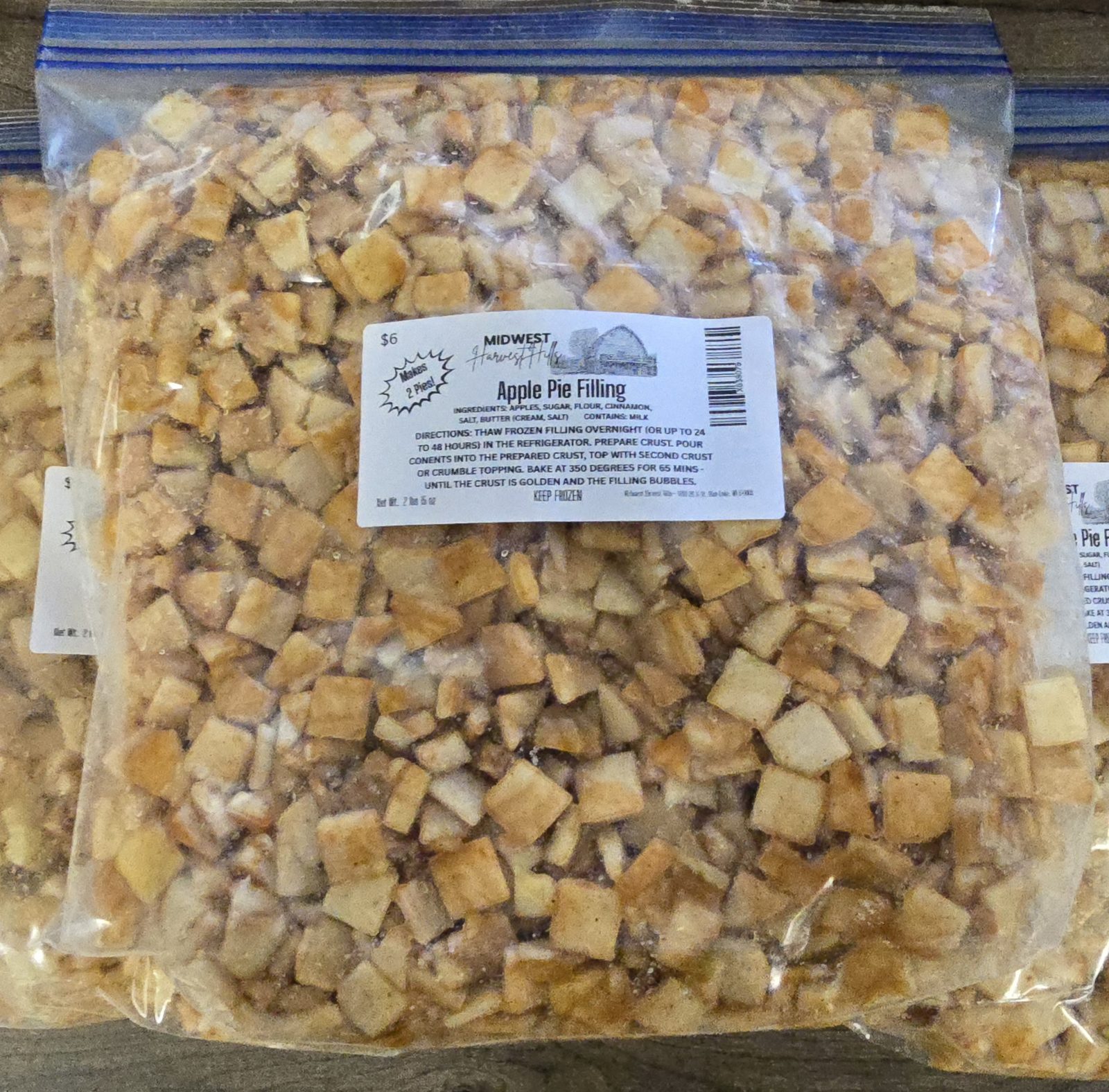
We do this on the farm in volume, and I have never once regretted the freezer bag. I have regretted the compost pile plenty.
Our Picks
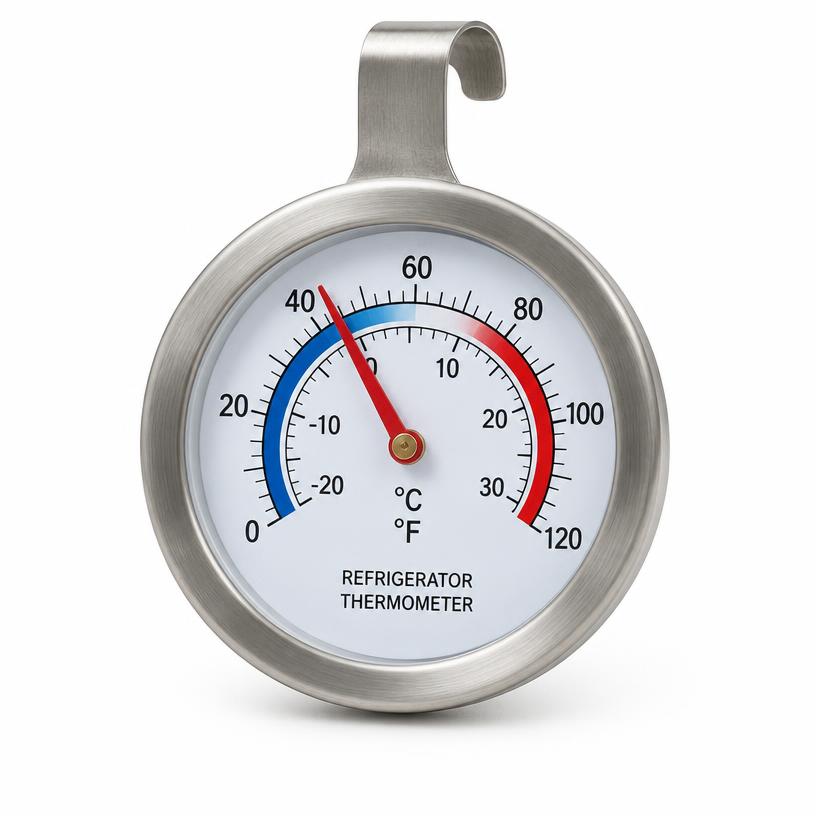
Refrigerator Thermometer
The only way to know whether the back of your fridge is 36 or 42 — about six weeks of apple.
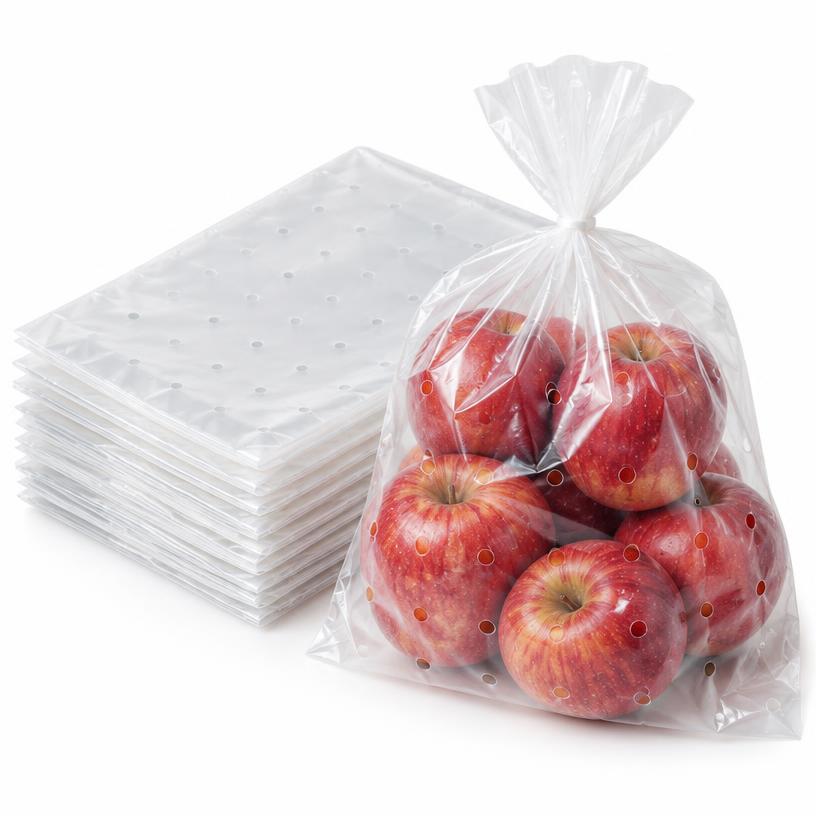
Perforated Produce Storage Bags
Holds humidity so apples don’t shrivel, vents the ethylene so they don’t rush each other.
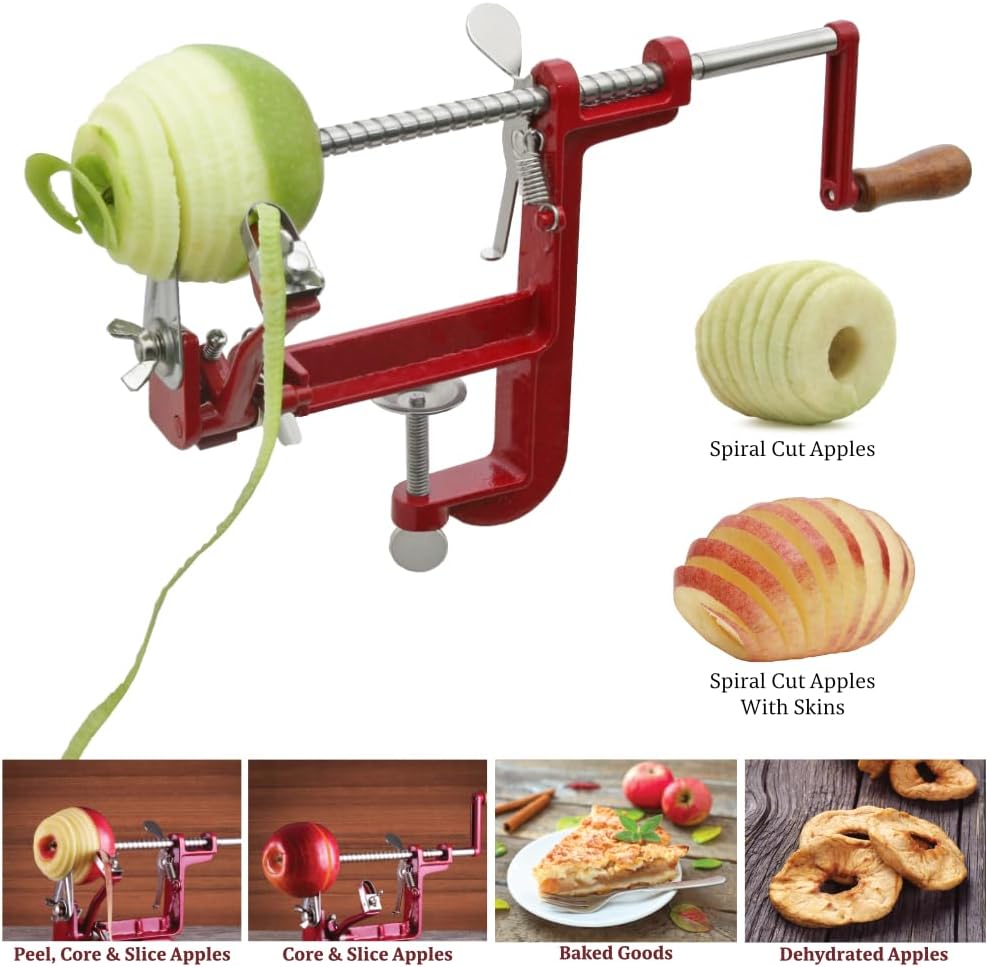
Apple Peeler-Corer-Slicer
The crank kind that clamps to the counter. Freezing a bag goes from an hour to fifteen minutes.
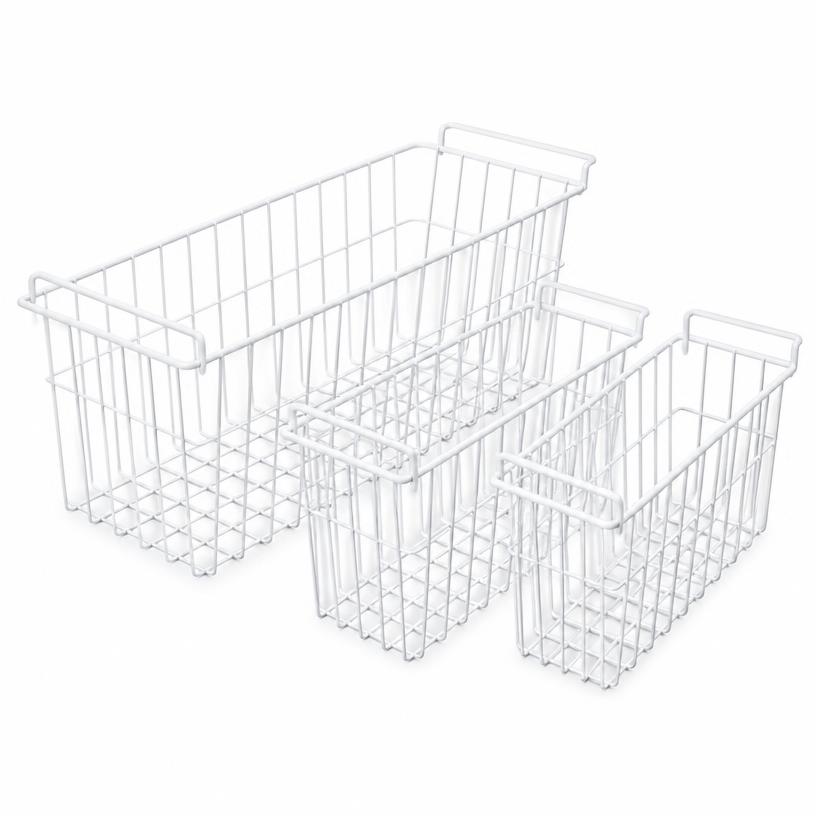
Deep Freezer Organizer
Buying by the half bushel? The bottleneck is flat, findable freezer space.
Disclosure: As an Amazon Associate, we earn from qualifying purchases — at no extra cost to you.